
Qualcomm’s annual 5G Summit is taking place in San Diego this year, and the company has a few major announcements to make about its technology for future 5G products. These developments coincide with the widespread use of 5G connectivity and smartphones in many regions of the world.
Smart Transmit 3.0 is maybe the most notable reveal. Qualcomm’s 5G speed and coverage optimization technology has reached its third generation. The significant change in this version is that Smart Transmit now includes Bluetooth and Wi-Fi for the first time, allowing you to optimize your phone’s whole radio stack. Smart Transmit 3.0, according to Qualcomm, supports Wi-Fi 6, Wi-Fi 6E, and Wi-Fi 7.

We asked Qualcomm about specific performance and efficiency gains for Bluetooth and Wi-Fi when using Smart Transmit 3.0, but the company didn’t divulge any figures. It’s also worth noting that future Wi-Fi and Bluetooth versions will likely offer a bigger improvement, but even a small improvement to current standards would be welcomed.
You can expect to find this tech in the previously revealed Snapdragon X70 5G modem, which is due to arrive in phones by “late 2022,” according to Qualcomm.

Qualcomm also stated at the 5G Summit that the X70 modem will handle independent mmWave connections, showcasing a connection. The feat was accomplished with a test device powered by the forthcoming modem.
The majority of 5G networks are non-standalone, which means they still rely on 4G technology for some functions. Separate 5G uses only 5G radio and backend technology, resulting in more flexible networks and services. This announcement also demonstrates that 5G backend technology can work in locations where there is no sub-6GHz connection.
It’s worth noting that Qualcomm previously announced a standalone mmWave 5G data connection milestone in July 2021. The firm told us that the previous milestone was related to 200MHz support, which is a requirement for the Chinese market.
The X70 is the first 5G modem featuring an AI processor, and Qualcomm has unveiled a few more advantages of this silicon ahead of its launch.
In particular, the company claims that mmWave coverage will be increased by 20% in “dense metropolitan situations.” Mobility-based sub-6GHz 5G at the edge of coverage might see a throughput jump of up to 73 percent, while pedestrians at the edge of coverage could see a 28 percent rise. However, it’s likely that consumers will only realize these increases under perfect circumstances.
Qualcomm previously noted it uses this AI suite for 5G channel optimization, smart network selection, mmWave beam management, and antenna tuning. This should theoretically result in performance and efficiency gains, but we’ll wait for the first X70-toting devices to see if this is indeed the case.

Google Pixel Watch 5 (45mm)

Robert Haba is the founder and editor-in-chief of Droid Tools. A lifelong gadget enthusiast with over a decade following the Android ecosystem, he built this publication to cut through the noise and give readers honest, real-world coverage of the tech they actually use.

Bitdefender has discovered and analyzed a campaign dubbed Midnight Mimosa, in which malware comes preinstalled in the firmware of low-cost Android devices built on MediaTek platforms. The infection is persistent, runs as a pre-installed firmware system app, and can’t be removed through normal uninstall procedures. Anyone who switches on an affected device finds the malware […]
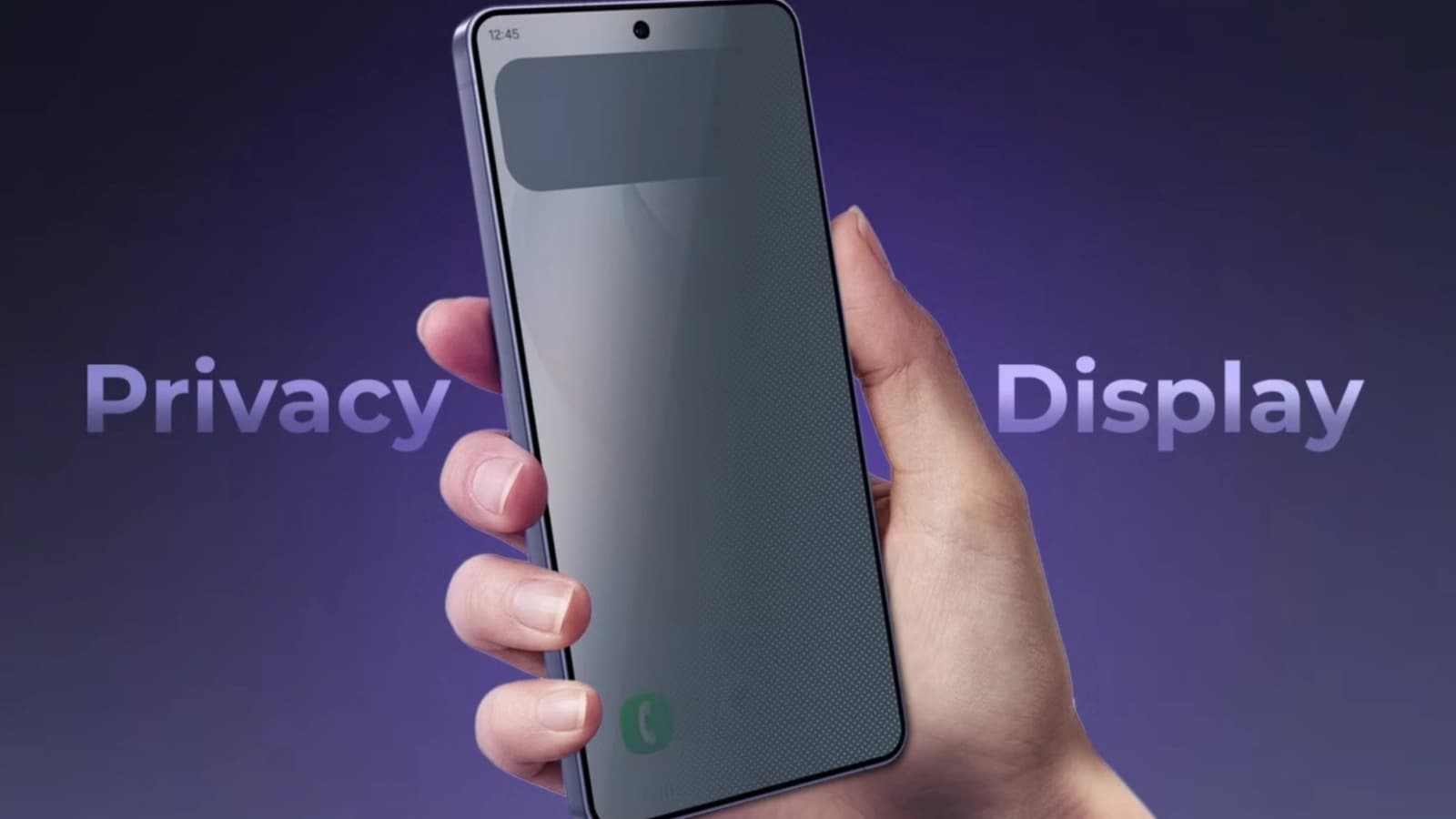
The Galaxy S27 Ultra display may avoid the compromises that held back its predecessor, according to a PhoneArena opinion piece. The writer cites an industry insider who said during a Q&A session on X (formerly Twitter) that Samsung is going to improve the display quality that suffered on the Galaxy S26 Ultra. What went wrong […]

WhatsApp is testing a new way to keep selected conversations off a person's linked devices, such as a laptop, tablet, or secondary phone. The company is expanding Advanced Chat Privacy with a new restriction that limits a chat to each participant's primary phone, and renaming the setting to Restricted Chat to make its purpose clearer. […]

Google built Pixel Search to save users from digging through their phone to find an app, email, photo, and more, and it now appears to be pushing that idea a step further by trying to figure out what to do with the results it surfaces. An APK teardown of Pixel Search version 1.0.983036833 by Android […]
The next story loads as you reach the end. You can also load it using the button.


Comments & Discussions
Join the conversation! We use Disqus to handle comments. Click the button below to load the comment section.