Samsung Galaxy devices provide broad software customization, yet Google Pixel phones maintain several practical advantages. Tools such as Gemini voice editing, automated screenshot organization, free VPN security, and call monitoring remain absent from One UI. Adopting comparable features could address lingering functional differences.

Samsung One UI provides deep customization and setting flexibility that make Galaxy phones popular across the Android market. Even so, Google hardware presents stiff competition. While One UI packs numerous utilities, several Pixel features demonstrate specific software and hardware capabilities that Samsung has yet to match. For Galaxy owners who value software depth, these distinctive Google tools address practical friction that standard mobile operating systems often leave unresolved. Examining these functional differences shows where Samsung can still expand its mobile ecosystem to meet user expectations.
Samsung equips its Galaxy camera with extensive native controls, while the Good Lock Camera Assistant module provides advanced tuning for enthusiast photographers. Despite those modular additions, Galaxy devices lack an equivalent to Google’s Add Me mode, introduced on the Pixel 9. The tool addresses a persistent photography dilemma by letting group members capture complete portraits without handing their phone to an unfamiliar passerby.
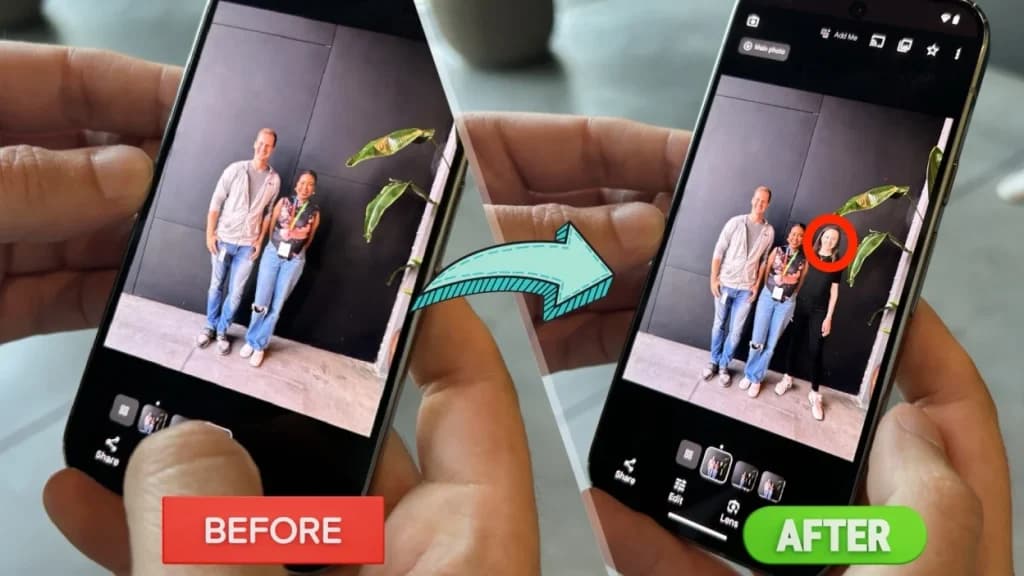
The mechanism requires two sequential exposures. One person captures the initial group image, then swaps positions with a second person who photographs the original shooter. Pixel software aligns and combines both frames into a single cohesive picture, matching perspective and lighting so the composition looks authentic. Google includes photography options like Best Take and Magic Capture alongside guidance tools like Camera Coach. Even so, the automated composite workflow of Add Me offers immediate convenience during travel and social events that Galaxy camera software has not replicated.
Voice dictation has long been a standard Android capability, yet the Rambler utility introduced on the Pixel 11 expands speech input considerably. Powered by Gemini, the system analyzes user intent during active speech. It strips verbal filler words, corrects syntax, inserts appropriate punctuation marks, and places emojis based on spoken prompts.

Spoken editing commands provide the biggest practical benefit. Writers can direct the tool to revise specific phrases, such as updating “January” to “March” within a finished paragraph. The engine also applies text styling on command, allowing users to bold or italicize terms hands-free. Enthusiasts have devised methods to run Rambler on alternative Android hardware, though the process requires manual setup and misses native stability. Samsung Keyboard already includes broad typing options, but native Gemini-based speech editing would make the typing suite feel far more capable.
Public Wi-Fi networks in hotels, cafes, airports, and transit hubs frequently expose mobile traffic to local observation. Google addresses this hazard on Pixel hardware by integrating VPN by Google directly into the operating system. The service functions without subscription fees, bandwidth caps, or hidden terms, giving Pixel owners encrypted routing whenever they connect to untrusted access points.
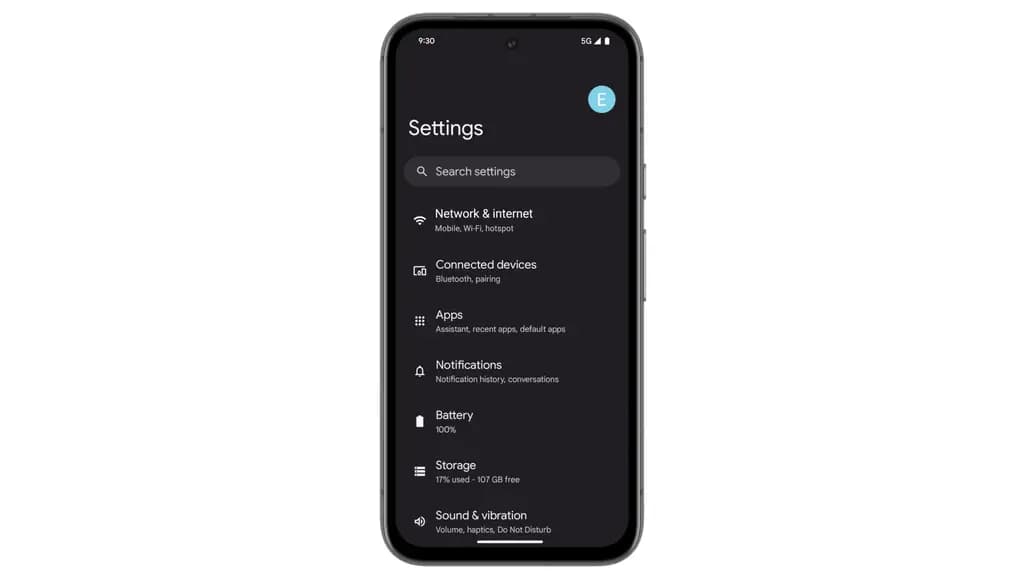
Configuration settings keep the tool practical for daily use. Users can designate trusted connections, such as home or office Wi-Fi, prompting the client to disconnect automatically. Running an active tunnel on secure home networks consumes extra battery and bandwidth, so automatic network toggles preserve efficiency. If particular apps malfunction while connected, users can exempt those programs individually without disabling device-wide security. Samsung Galaxy owners can establish similar protections, but doing so requires purchasing a separate commercial subscription. Pixel devices supply that convenience at no added cost.
Smartphone users regularly capture screenshots to preserve fleeting details, including online receipts, courier tracking numbers, handwritten memos, and cooking recipes. Over time, sprawling photo galleries turn locating specific captures into a frustrating chore. The dedicated Pixel Screenshots app tackles this retrieval bottleneck by processing every captured frame through on-device Gemini Nano machine learning.

The local model inspects visual contents to determine subject matter, automatically assigning searchable titles and topical categories. When users search for archived records weeks later, the built-in indexing tool retrieves matching files within seconds. Beyond cataloging images, the software proposes proactive shortcuts immediately after capture. Depending on text recognized in the frame, Pixel prompts users to establish calendar entries, generate reminder alerts, draft quick notes, or transfer passes into Google Wallet. While widespread mobile AI frequently draws criticism for adding unneeded complexity, the targeted visual recall in Pixel Screenshots provides practical assistance that Samsung has not duplicated.
Apple popularized built-in magnetic alignment through MagSafe, and Google adopted the concept on its phones under the Pixelsnap branding. Samsung Galaxy devices still arrive without integrated rear magnets. For individuals who rely on wireless power pads, magnetic alignment removes charging uncertainty. The internal ring pulls the device into the correct charging position immediately, preventing charging failures when setting down the handset in the dark.

The hardware magnets support uses well beyond inductive charging. The magnetic ring mounts securely to desktop stands, finger rings, slim wallets, and protective cases. Because Pixelsnap maintains cross-compatibility with most third-party MagSafe accessories, Pixel owners can choose from an established ecosystem of magnetic gear. While magnetic hardware may not appeal to every smartphone buyer, integrating rear magnets into upcoming Galaxy models would give Samsung customers equal accessory flexibility.
Samsung includes several capable telephony tools within its standard Phone application, such as Live Translate and Direct Voicemail alongside Bixby Text Call. However, One UI continues to lack a counterpart to Google’s Hold for Me. Enduring lengthy customer service queues for airlines or financial institutions forces callers to monitor repetitive hold music and periodic automated announcements. Callers cannot step away from their handset because an agent might answer at any moment.

Hold for Me transfers that monitoring burden to Pixel Call Assist. When placed on hold, the user activates the assistant, freeing them to complete other tasks or browse different apps. Call Assist listens continuously in the background, identifying when hold recordings end and an actual human representative returns to the line. Pixel then sounds an alert, allowing the user to resume the call without delay. While not an everyday necessity, the feature delivers substantial relief during stressful support calls where Galaxy owners still wait manually.
Samsung continues to develop an exceptionally versatile software platform on modern smartphones. Even so, Google’s focused execution across camera blending, voice dictation, free VPN security, visual search, magnetic hardware, and call monitoring demonstrates where One UI can still evolve. Adopting comparable capabilities would resolve practical friction points for Galaxy owners while narrowing the gap between the two premier Android device makers.

Apple AirPods Pro 3

Robert Haba is the founder and editor-in-chief of Droid Tools. A lifelong gadget enthusiast with over a decade following the Android ecosystem, he built this publication to cut through the noise and give readers honest, real-world coverage of the tech they actually use.

Honor Magic 9 series reportedly led 2026 Android flagship sales with 390,000 units in week 42, ahead of an overseas launch set for January 2027.

The Galaxy S27 launch may arrive by January, but rising component costs and chip testing delays could affect Samsung's upcoming lineup.
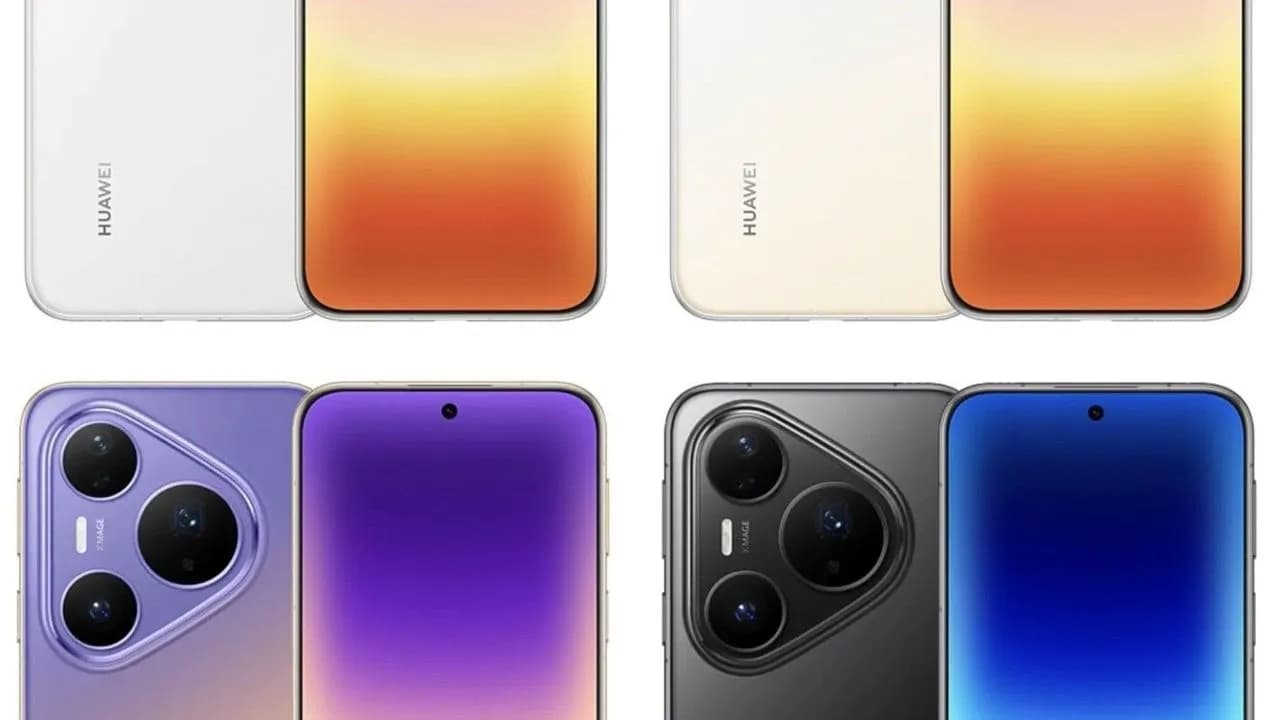
Huawei Pura 90 Plus leak reveals a 6.8-inch quad-curved screen, Kirin 9025 processor, and a 50MP camera ahead of its expected October 28 debut.

A leak outlines the OnePlus Nord 7 with a 10,000mAh battery, 100W charging, a 185Hz OLED display, and a 3nm Snapdragon chip aimed at mobile gaming.
The next story loads as you reach the end. You can also load it using the button.


Comments & Discussions
Join the conversation! We use Disqus to handle comments. Click the button below to load the comment section.