Xiaomi is getting ready for a significant HyperOS 2.2 release that will affect over 40 devices worldwide. With regional coverage including Europe, India, Indonesia, Russia, Taiwan, and other markets, this update will feature Xiaomi Pad tablets, POCO smartphones, and Redmi series phones. The completion of stable beta testing indicates an impending general release. With the ...

Xiaomi is getting ready for a significant HyperOS 2.2 release that will affect over 40 devices worldwide. With regional coverage including Europe, India, Indonesia, Russia, Taiwan, and other markets, this update will feature Xiaomi Pad tablets, POCO smartphones, and Redmi series phones. The completion of stable beta testing indicates an impending general release.
With the most devices slated for the update, the European Economic Area (EEA) is in first place. In order to provide thorough worldwide coverage, global versions as well as specially designed releases for Taiwan, Indonesia, Russia, and India will come soon after.

The new software will be released initially for key POCO products including the X7 Pro (Redmi Turbo 4) and F7 Pro (Redmi K80). Updates for the POCO M6 series, including Pro 4G models, are also planned for the EEA and Russia regions. There will be broad support for Redmi’s wide range of products, from flagship models like the K70 Ultra to more affordable variants like the Redmi 13C. Taiwan, Russia, and other markets will witness the release of the Redmi Note 14 and K70 series. To ensure a consistent experience across smartphones and tablets, tablet users should anticipate updates for the Xiaomi Pad 6S Pro 12.4, Redmi Pad Pro 5G, and Redmi Pad SE series.
Significant enhancements to system animations are included in the update, providing more stable and seamless transitions, particularly while multitasking and shutting down apps.
Improved visual effects like font shadowing for easier reading and desktop background blur are new in HyperOS 2.2. The new HyperConnect feature increases the number of communication possibilities by enabling voice chat without an internet connection.
A simpler interface and more professional appearance are provided with a revamped camera app. Merged presets, more customizable watermarks, and improved pro mode capability are among the upgrades.
Custom shortcuts and lens effects are now supported by lock screen features. Included are major accessibility improvements like enhanced TalkBack support and better volume controls, as well as new fingerprint animations.
HyperOS 2.2 is currently available to Mi Pilot testers, and a wider public release is anticipated shortly. Xiaomi is working on updates for about 100 devices, demonstrating a comprehensive approach centered on compatibility with HyperOS 2 and Android 15.
Stay connected with the latest from Droid Tools—follow us on X @droid_tools, like our page on Facebook, check out our updates on Instagram, and follow us on Google News for real-time news, device tips, and mobile tech insights.

Robert Haba is the founder and editor-in-chief of Droid Tools. A lifelong gadget enthusiast with over a decade following the Android ecosystem, he built this publication to cut through the noise and give readers honest, real-world coverage of the tech they actually use.

Southeast Asia smartphone shipments fell 36% in Q3 2026 to 16.5 million units as memory costs climbed, while average selling prices jumped 53%.

ArcticRAT malware uses a commercial LLM to analyze stolen SMS messages, estimate victim finances, and enable full takeover of infected Android phones.
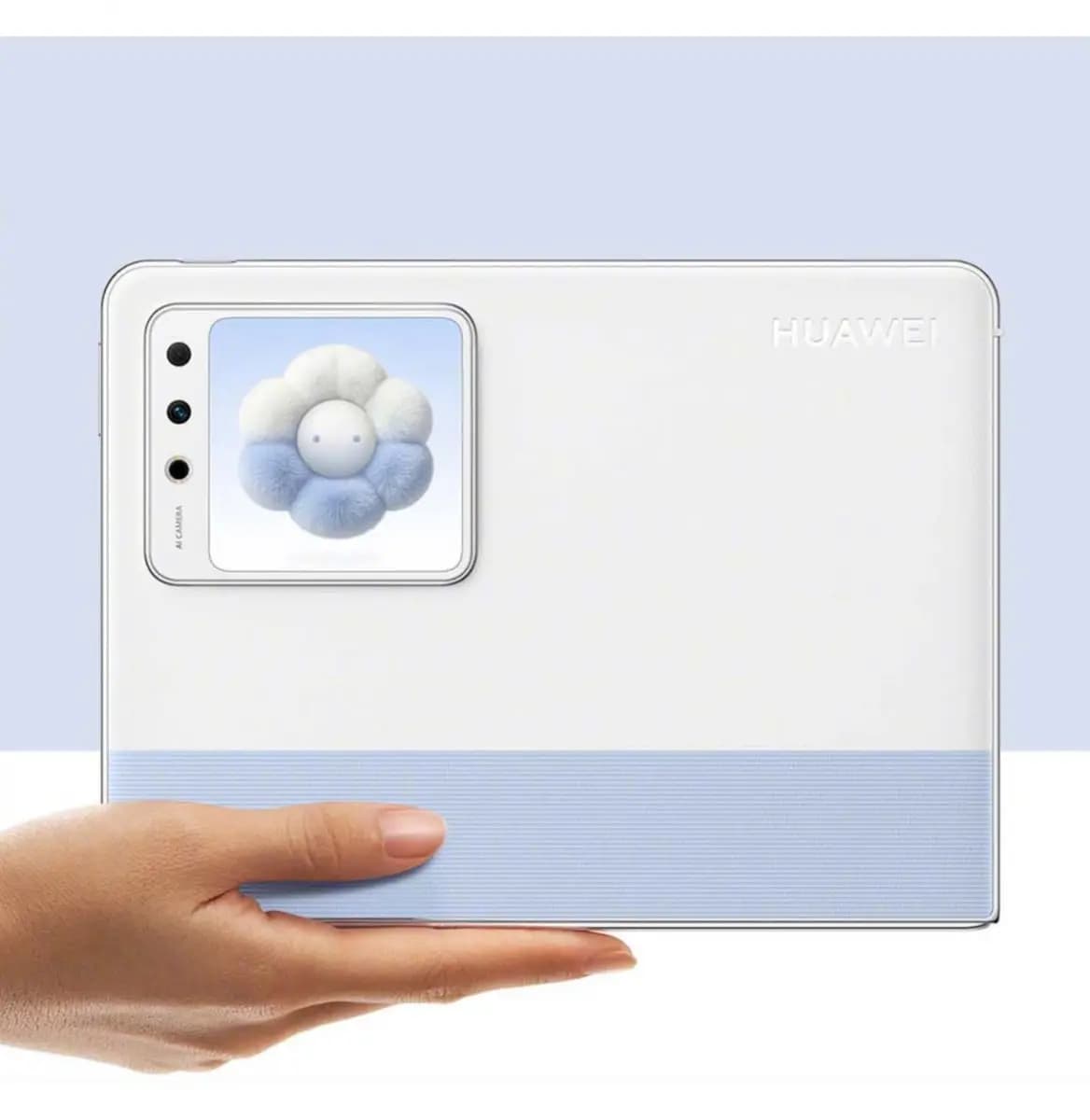
Leaked photos of the Huawei MateBook Fold S show its folding keyboard, virtual layout, possible dual-layer OLED, and November 14 pre-order date.
Huawei led the China tablet market in Q3 2026 with a 24.1% share despite higher prices and a 22.3% industry contraction, according to IDC.
The next story loads as you reach the end. You can also load it using the button.


Comments & Discussions
Join the conversation! We use Disqus to handle comments. Click the button below to load the comment section.