

Huawei is scheduled to release HarmonyOS NEXT on January 18, which represents a significant advancement in the company’s software goals. Unlike HarmonyOS 4, which was built on the Android Open Source Project (AOSP) as its foundation, HarmonyOS NEXT is entirely based on Huawei‘s proprietary Harmony kernel, which means that it does not support Android compatibility or the direct execution of existing Android apps (APKs).
HarmonyOS Next breaks free from Android
This bold move presents a unique opportunity for Chinese developers: since native apps are now the only language supported by HarmonyOS NEXT, there will be a huge demand for programmers who understand its architecture. As a result, more than 400 software companies from a variety of industries, including games, finance, travel, and navigation, have already jumped on board and developed applications specifically for HarmonyOS NEXT.
Furthermore, research firm TechInsights projects that by 2024, HarmonyOS will have overtaken iOS as the second most popular mobile operating system in China as a result of this calculated move, which could pose a serious threat to Android’s hegemony in the nation.
Though the potential is evident, there are still obstacles to overcome. Establishing an app ecosystem from the ground up is no easy task, and gaining widespread app adoption—especially from international players—will be essential to long-term success. That being said, NEXT marks a significant turning point in the company’s journey towards software independence and opens the door for a potentially competitive alternative in the mobile market.
HarmonyOS NEXT: future
- Independence achieved: Huawei’s latest OS, HarmonyOS NEXT, ditches its Android roots and relies entirely on its own Harmony kernel.
- No legacy baggage: Existing Android apps (APKs) won’t run on NEXT, demanding native app development.
- Developer boom: 400+ Chinese companies are already building apps for this new platform, creating job opportunities.
- Market ambitions: Predictions suggest HarmonyOS NEXT could become China’s #2 mobile OS by 2024, potentially surpassing iOS.
- Challenges ahead: Attracting global app developers and building a robust app ecosystem remain crucial hurdles.
- A turning point. This marks a significant step towards Huawei’s software independence and opens doors for a new competitor in the mobile landscape.
Google Pixel Watch 5 (45mm)

Samsung Galaxy Watch 8


Keep Reading
Android 17 QPR2 Beta 3 arrived on August 14 as the latest preview of the December release. 9to5Google described the Friday launch as unexpected and began a running catalog of changes that was still marked as updating. As new changes are discovered, the latest entries will be placed at the top of the page. Readers […]
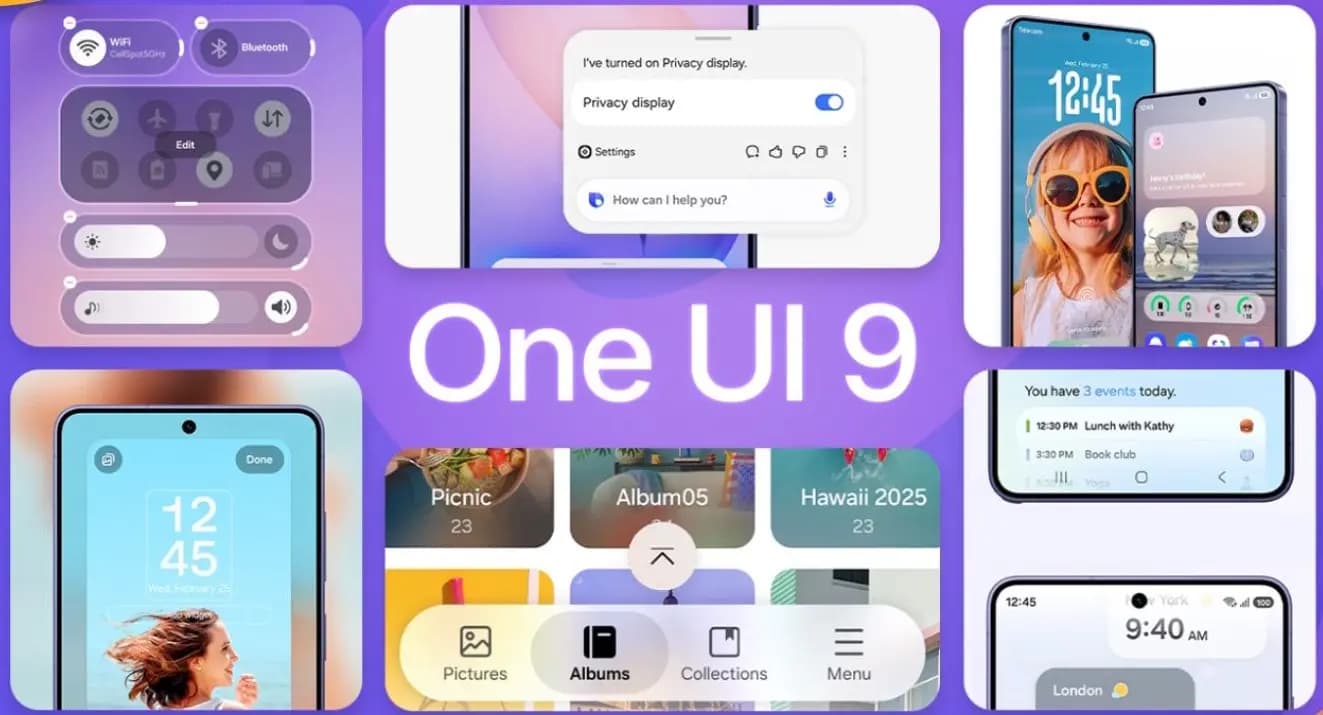
Samsung has begun rolling out the stable One UI 9 update, based on Android 17, starting with the Galaxy Z Fold 8 series worldwide, according to Memeburn. Samsung is also internally testing the update on 49 additional Galaxy phones and tablets, with the software rolling out through the rest of the year on a staggered […]
A leaked HyperOS 4 setup screen has exposed Xiaomi’s planned onboarding flow, along with a list of ten major features tied to the update. The files directly reference “Xiaomi HyperOS 4” and divide several features by device class, with some Glass effects marked exclusively for flagship models and the Q18. The leak also backs up […]
New leaks are offering the clearest look yet at HyperOS 4, and they suggest Xiaomi is preparing the biggest visual overhaul in the software’s history, including a redesigned interface and refreshed wallpapers. Liquid Glass Interface Leak Details Screenshots reportedly pulled from internal Xiaomi 18-series prototypes running an early Android 17-based build of HyperOS 4 reveal […]
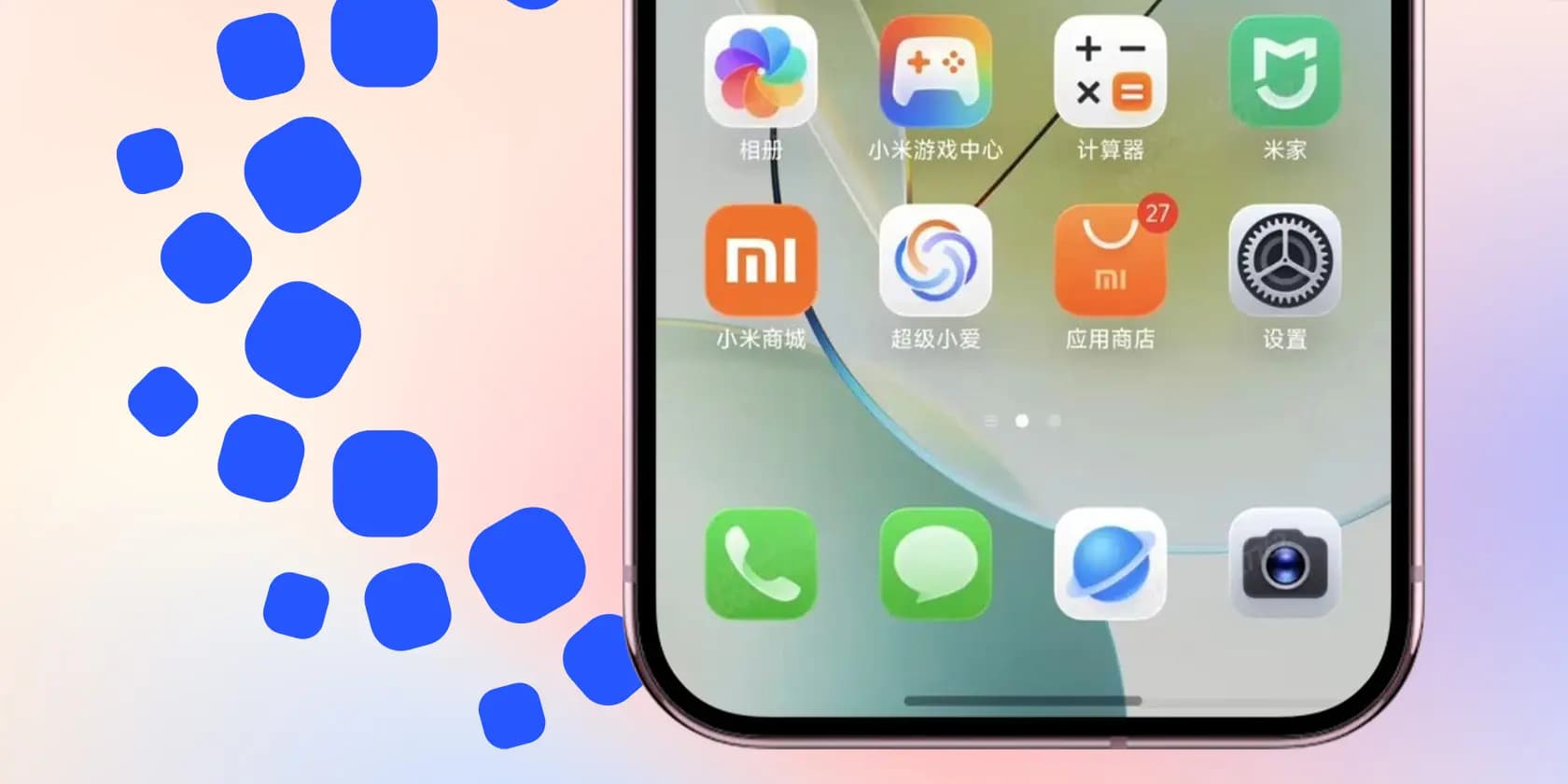
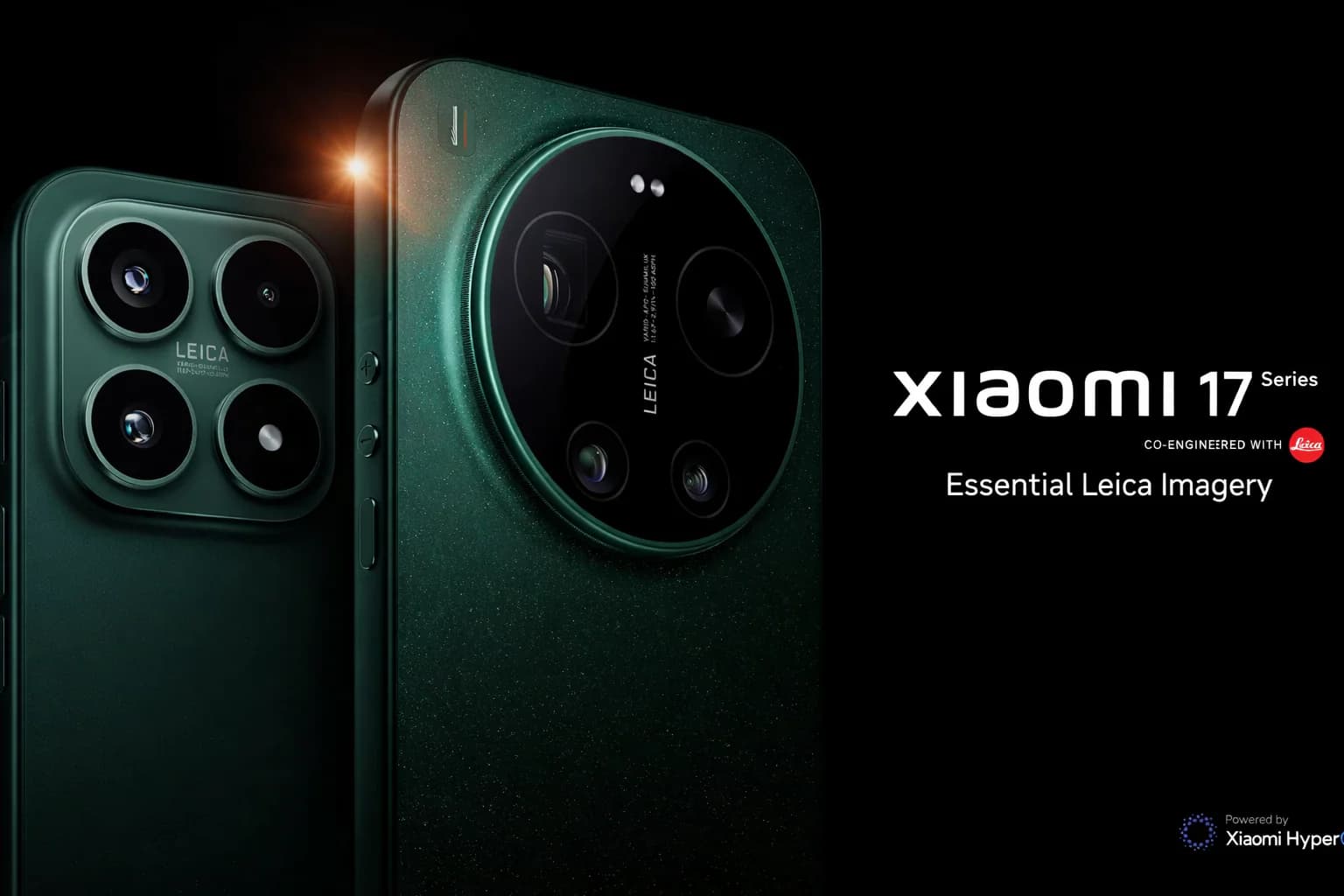
Xiaomi has started rolling out stable Android 17 to the Xiaomi 17, Xiaomi 17 Ultra, and Xiaomi 17T Pro, packaged under the HyperOS 3 label. A Confusing Label, But a Real Platform Jump The HyperOS 3 branding is the same one Xiaomi already used for its Android 16 rollout, which makes the naming a bit […]
Google is rolling out the stable Android 17 and Wear OS 7 updates for compatible Pixel phones and watches. Beyond the new features these releases bring, both updates come packed with bug fixes and general improvements aimed at smoothing out the overall experience. Many of the changes target long-standing annoyances, while several underlying improvements should […]
Comments & Discussions
Join the conversation! We use Disqus to handle comments. Click the button below to load the comment section.