Google announced an amazing beta feature that addresses one of Android's most long-standing issues: battery drain. The innovation is significant for Xiaomi consumers who prioritize battery performance in their daily smartphone usage. The functionality works by tracking “excessive wake locks” in Android's Vitals panel, assisting developers in identifying and correcting programs that secretly waste battery ...
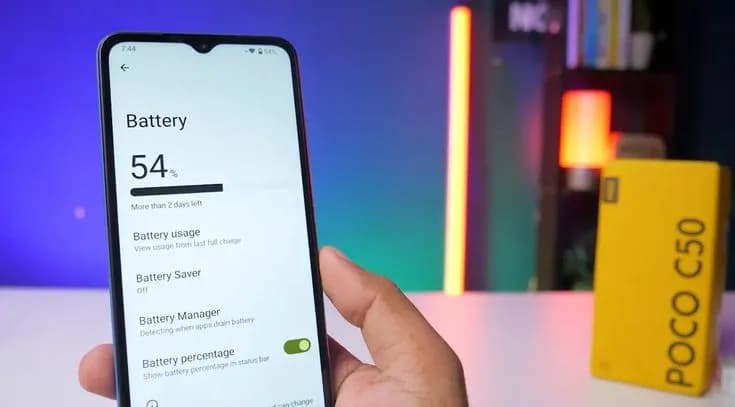
Google announced an amazing beta feature that addresses one of Android’s most long-standing issues: battery drain. The innovation is significant for Xiaomi consumers who prioritize battery performance in their daily smartphone usage. The functionality works by tracking “excessive wake locks” in Android’s Vitals panel, assisting developers in identifying and correcting programs that secretly waste battery power in the background.
For those who do not aware, “wake locks” are system-level capabilities that allow applications to keep your phone awake when in background operations. Although valid in some applications, such as music or navigation, overuse can severely deplete your Xiaomi device’s battery without providing any value in terms of how you view your experience.
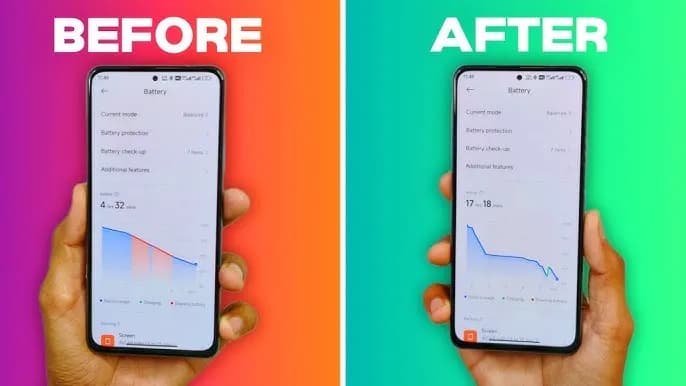
This approach is specifically designed for applications with active foreground processes that are running in the background. If such programs maintain a “wake lock” for more than three hours in a single 24-hour cycle, regulators consider them harmful. This accurate identification enables developers to address battery usage issues before they reach a large number of consumers.
This methodology provides app developers with more realistic views of how their applications function in real-world circumstances rather than laboratory-like test scenarios.
Google is not operating alone in this initiative. The internet behemoth is working with key smartphone manufacturers like Samsung to define “good” performance in a more consistent manner across the Android platform.
This collaboration aims to help developers create more optimized applications that run as easily as possible across a wide range of phone models from all brands, from Xiaomi’s large array of cheap options in Redmi to premium flagships in Mi.
This battery monitoring tool is just the beginning of Google’s multi-year strategy to provide developers with deeper insights into real-world app performance. Looking ahead, Google plans to:
For Xiaomi users who consider battery life to be an important feature, these innovations hold out hope for an era when third-party applications are more efficient to use under HyperOS and other Android-based platforms.
Xiaomi has continually focused energy optimization in its devices, including larger batteries and advanced power management in HyperOS. Google’s new developer tools support these efforts by addressing the software side of the problem, potentially improving Xiaomi phones’ outstanding battery life.
The “excessive wake lock” monitoring tool is currently in the testing phase, with Google actively seeking developer feedback to improve its capabilities before a wider release.

Robert Haba is the founder and editor-in-chief of Droid Tools. A lifelong gadget enthusiast with over a decade following the Android ecosystem, he built this publication to cut through the noise and give readers honest, real-world coverage of the tech they actually use.

An HMD community forum teaser hints at a return for PureView camera technology, showing a phone with four cameras and Schneider-Kreuznach optics.

Early leaks suggest the Samsung Galaxy Edge could return in 2027. Supply chain records indicate Samsung is preparing parts for Fold 9 models.

Google clarified that Noto 3D emoji do not require 6GB of RAM or 10GB of storage to run, citing safeguard limits for automatic downloads.
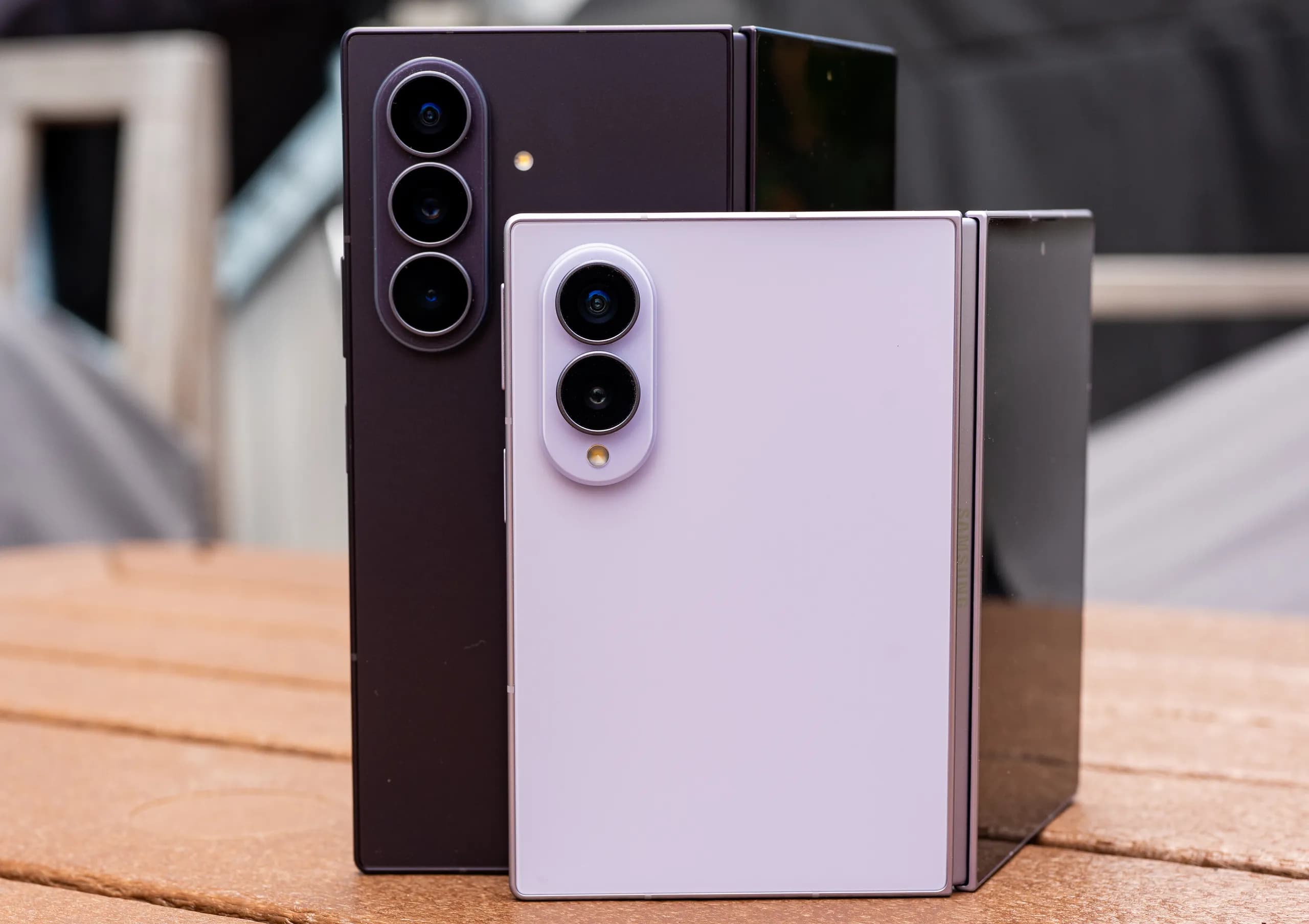
Samsung secured 69% of foldable smartphone shipments in Q3 2026 led by the Galaxy Z Fold 8, even as total market shipments slipped 2% year over year.
The next story loads as you reach the end. You can also load it using the button.
As an Amazon Associate, Droid Tools earns from qualifying purchases. Editorial policy



Comments & Discussions
Join the conversation! We use Disqus to handle comments. Click the button below to load the comment section.