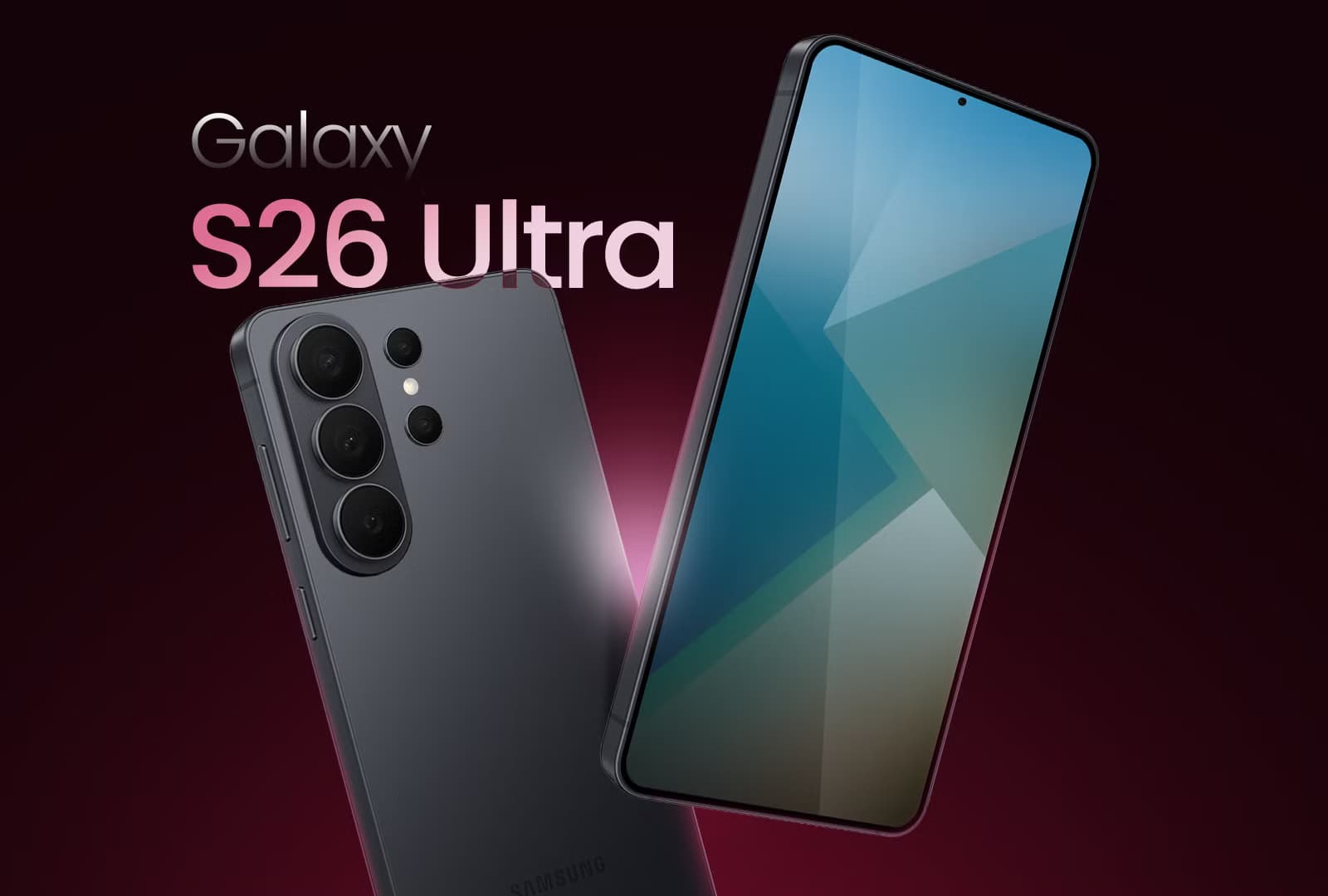
According to reports, Samsung has been experiencing internal conflict because it does not want to raise the starting price of its upcoming Galaxy S26 series, especially after Apple maintained the price of the iPhone 17. That objective was challenging because to tariffs, growing component costs, and the persistent DRM shortage. It appears that the business has finally made a decision, and for the time being, it intends to refrain from raising prices.
According to a Korean report (via @jukan05), Samsung will maintain the Galaxy S26’s beginning pricing at the same level as the Galaxy S25. Accordingly, the S26+ and S26 Ultra will retail for $999 and $1,299, respectively, while the entry-level S26 will start at $799.
It appears that this decision will reduce the company’s profit margins by 10% to 15%, although the strong margins in DRAM and NAND would help counteract the effect.
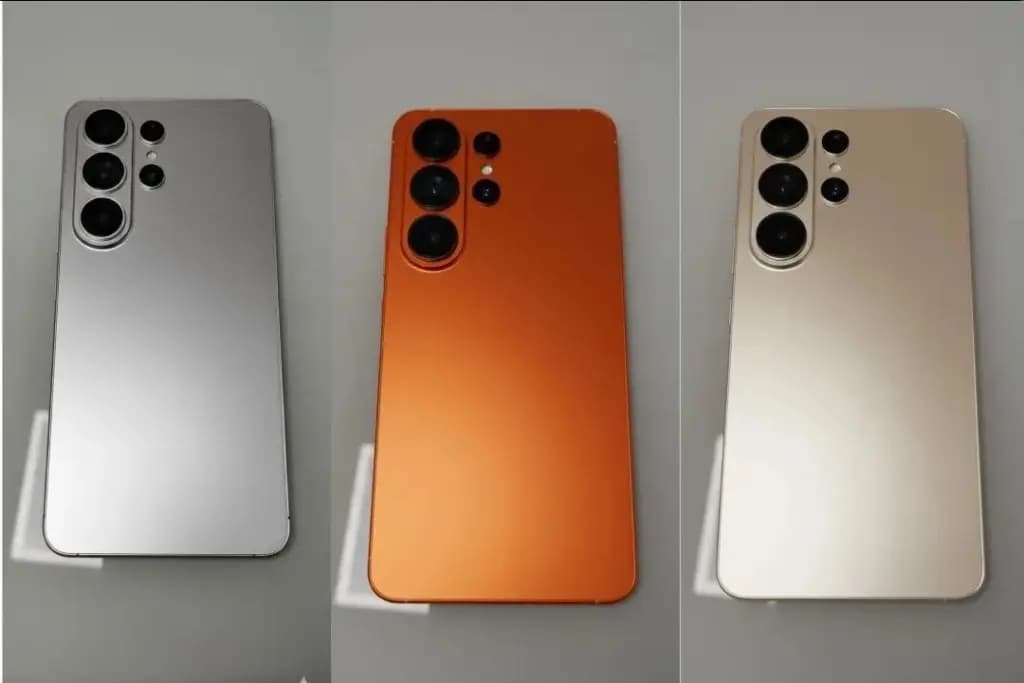
Most likely, only the US market will be subject to the price freeze. Due to the weakening value of the Korean won, Samsung will mostly raise prices in its home country of South Korea. European and other Asian markets may possibly see a comparable rise.
It would be the fourth year in a row that Samsung has avoided raising the price of its flagship phones if it is able to maintain pricing.
According to the source, the Galaxy Z Fold 8 and Flip 8, which are scheduled to come later in 2026, will also be subject to the price freeze.
Although not stated, Samsung’s decision to maintain the price of its flagship phones and foldables for 2026 was probably influenced by Apple’s choice to maintain the pricing of the iPhone 17.
Since it is widely anticipated that Apple will release its first foldable iPhone this year, the Korean company cannot afford to run the risk of alienating consumers with a price increase.
However, it appears that Samsung will raise prices of its mid-range Galaxy A phones. These models’ lower profit margins provide company little to no leeway to absorb the sharp increase in component costs.
Unfortunately, there won’t be any significant hardware enhancements to go along with the price hike. Therefore, the majority of buyers will ultimately pay more for no discernible improvement. Unfortunately, the majority of phones released in 2026 may just follow this pattern.

Google Pixel Watch 5 (45mm)

Robert Haba is the founder and editor-in-chief of Droid Tools. A lifelong gadget enthusiast with over a decade following the Android ecosystem, he built this publication to cut through the noise and give readers honest, real-world coverage of the tech they actually use.

Bitdefender has discovered and analyzed a campaign dubbed Midnight Mimosa, in which malware comes preinstalled in the firmware of low-cost Android devices built on MediaTek platforms. The infection is persistent, runs as a pre-installed firmware system app, and can’t be removed through normal uninstall procedures. Anyone who switches on an affected device finds the malware […]
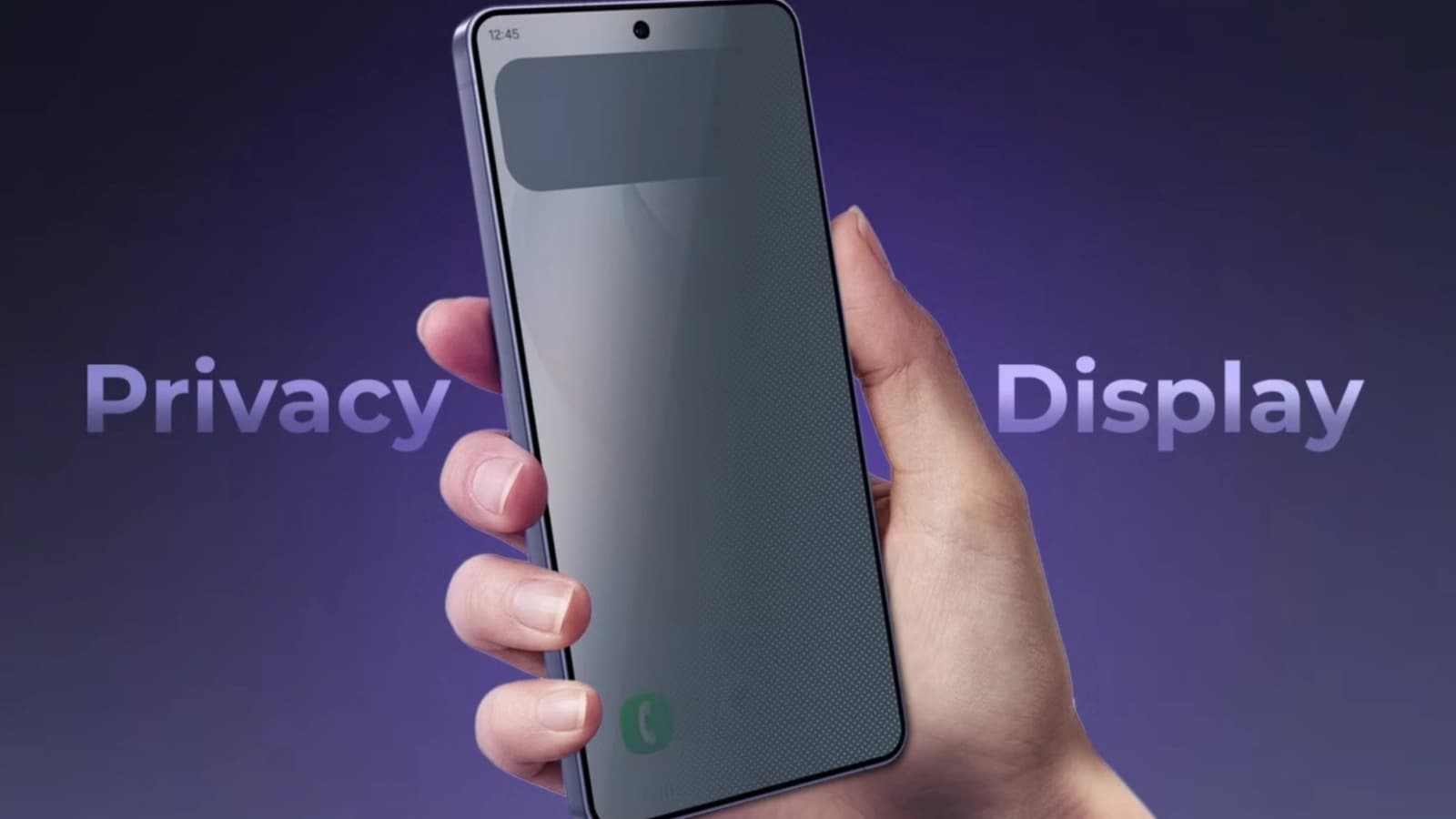
The Galaxy S27 Ultra display may avoid the compromises that held back its predecessor, according to a PhoneArena opinion piece. The writer cites an industry insider who said during a Q&A session on X (formerly Twitter) that Samsung is going to improve the display quality that suffered on the Galaxy S26 Ultra. What went wrong […]

WhatsApp is testing a new way to keep selected conversations off a person's linked devices, such as a laptop, tablet, or secondary phone. The company is expanding Advanced Chat Privacy with a new restriction that limits a chat to each participant's primary phone, and renaming the setting to Restricted Chat to make its purpose clearer. […]

Google built Pixel Search to save users from digging through their phone to find an app, email, photo, and more, and it now appears to be pushing that idea a step further by trying to figure out what to do with the results it surfaces. An APK teardown of Pixel Search version 1.0.983036833 by Android […]
The next story loads as you reach the end. You can also load it using the button.


Comments & Discussions
Join the conversation! We use Disqus to handle comments. Click the button below to load the comment section.