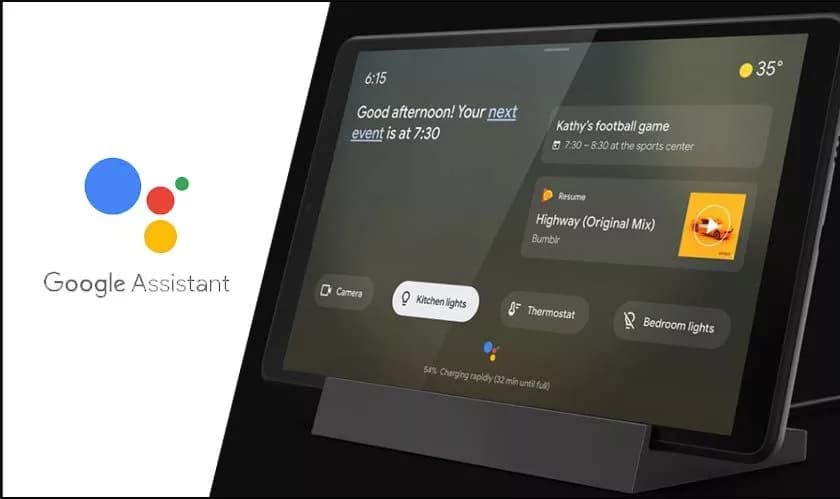

If you are using Google Assistant on your Android phone, you can add interactive features to the lock screen by activating the Ambient mode function.
This is a smart sorts screen that turns on while your phone is charging and replaces the lock screen. Without opening the lock screen, you can view alerts, weather forecasts, play music, display pictures and perform a host of other functions. This article shows how to allow Ambient Mode in Google Assistant.
First of all, if you haven’t already, you will need to download and install the Google Assistant app on your phone.
Once Google Assistant is installed, start the app and go to the main page.
Here you will notice the explorer option (the compass icon) near the bottom corner of the page. Tap on the icon.
This will take you to the Explore section of the app – the part where you can configure settings like alarms, the weather forecast, etc.
For now, ignore all the other functions on the Explore page and tap on your profile picture in the top corner.
A new list of options will drop down. Scroll down the list and select the Settings option.
A new page that shows your Google Account profile page will appear.
Scroll left from the page to the Assistant section. Once again, scroll down past the list of options presented to you. Near the bottom, you will find a section entitled “Assistant Devices.” There is a phone option under that section which you need to select.
On the new page that opens, scroll down the options available until you see the one titled “Ambient Mode.” Toggle on this option by tapping on the gray button next to it so that it turns blue.
Google Pixel Watch 5 (45mm)

Cristian Penisoara is a Guides Writer and Android specialist at Droid Tools. An Android user since version 2 and a professional event photographer, he combines technical curiosity with a detail-oriented approach - every guide he publishes is tested step-by-step on a real device before it goes live.

Overnight charging exposes phone batteries to sustained high voltage and heat. Learn how Google Pixel and Samsung Galaxy settings stop cell degradation.
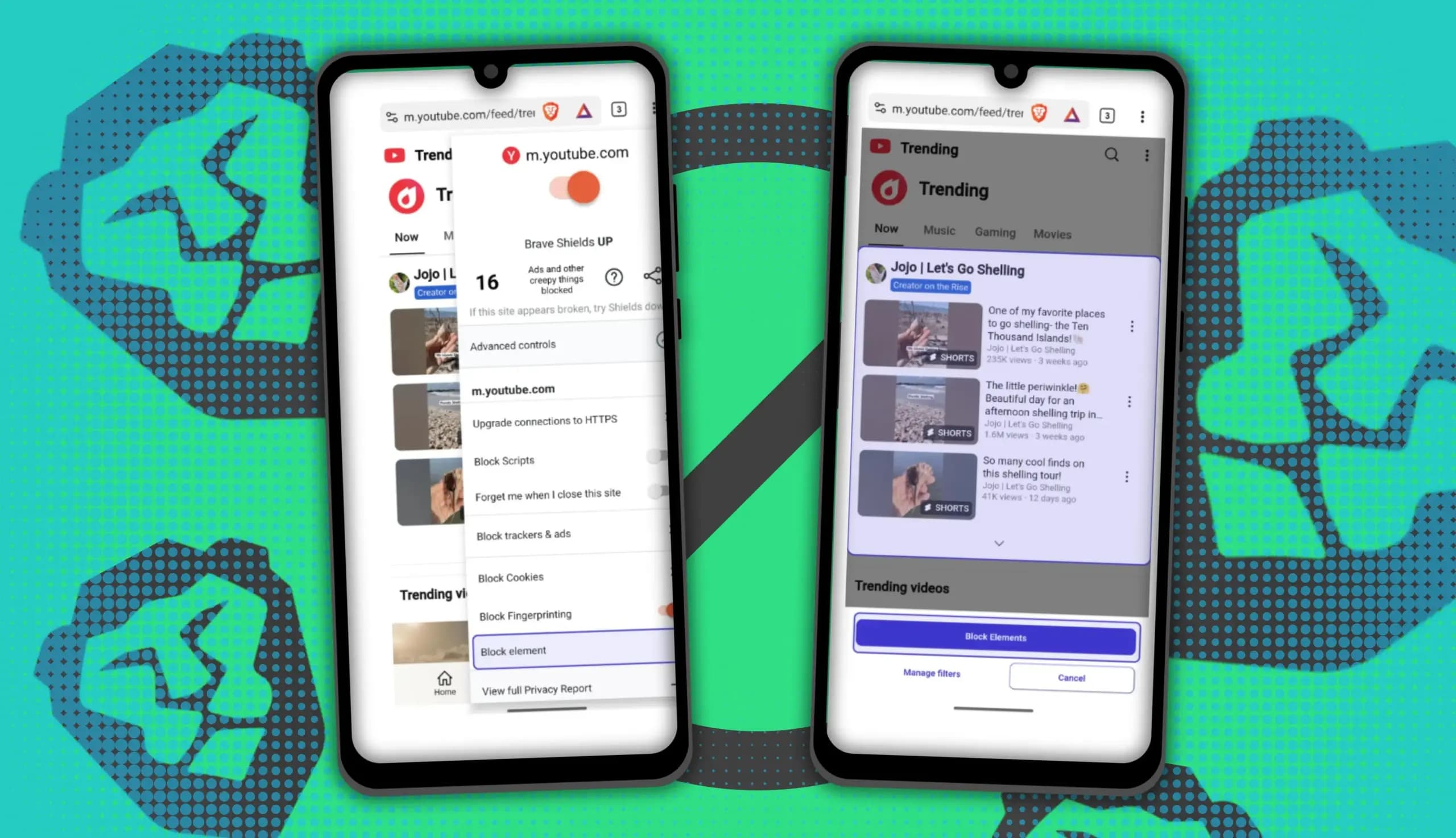
You can block ads on Android more effectively by pairing Brave’s Aggressive Shields setting with the system’s Private DNS feature. The setup filters ads at both the browser and system levels, takes only a few minutes to configure, and avoids the battery drain and VPN conflicts that come with dedicated ad-blocking apps. Why one ad […]

Behind a two-tap recharge sits a surprising amount of plumbing. Every prepaid network has its own rules about what can be topped up, in which denominations, and how quickly credit posts to a SIM. MobileTopUP hides that complexity behind a single form: pick a country, enter a number, choose an amount. What the coverage map actually covers […]
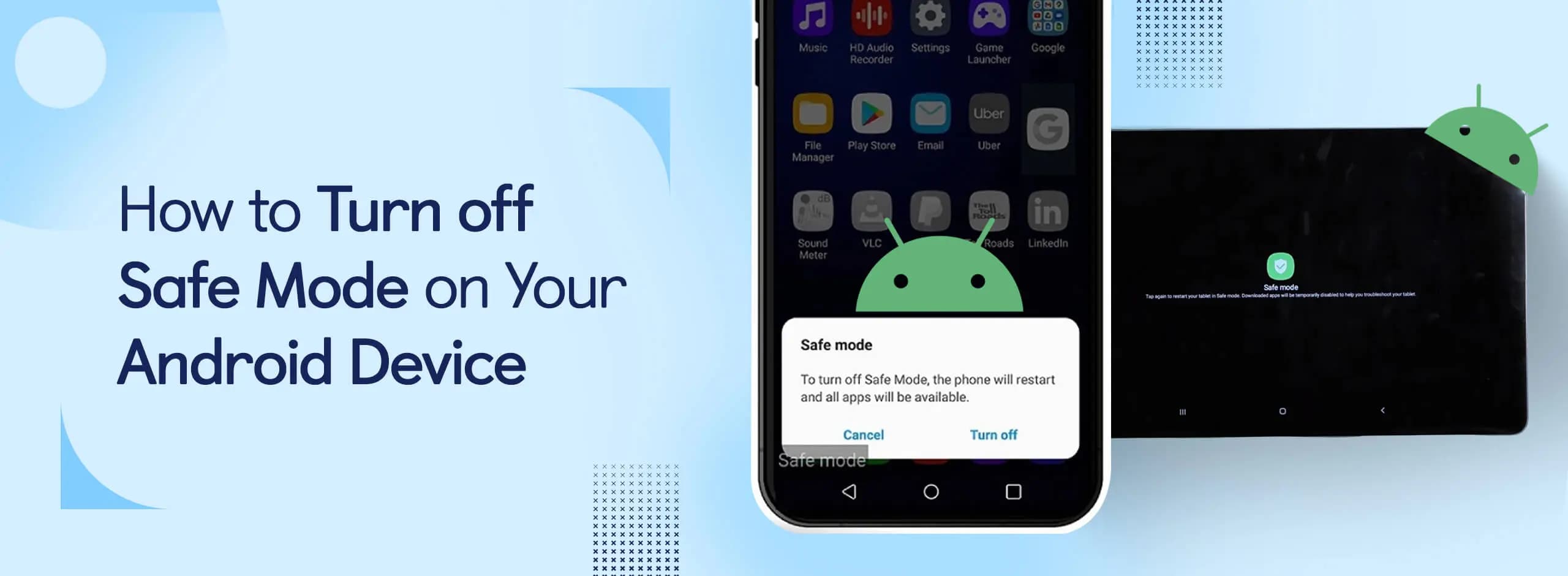
Knowing how to turn off Safe Mode on Android comes in handy, since Safe Mode is a built-in troubleshooting tool that disables every third-party app on a phone and switches on Airplane Mode, making it easier to isolate an app causing lag, battery drain, or other issues. It's also useful for safely deleting a suspected […]
The next story loads as you reach the end. You can also load it using the button.


Comments & Discussions
Join the conversation! We use Disqus to handle comments. Click the button below to load the comment section.