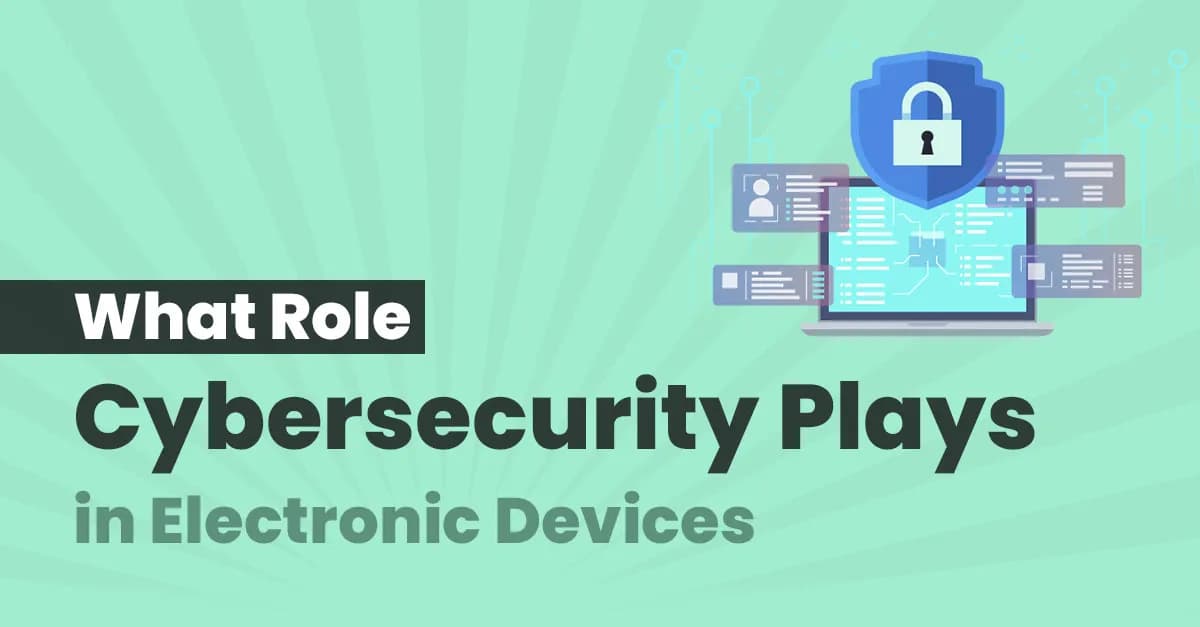
It is widely known that the security of networks, devices, and information from cyberthreats is referred to as cybersecurity. This involves safeguarding against criminals, hackers, and other harmful agents who may attempt to acquire unauthorized exposure to networks or seize sensitive data.
Measures to defend against inadvertent data loss or destruction due to human mistake, hardware or software malfunction, or natural catastrophes are also included in cyber security. If you are someone interested in being a part of Cyber Security, then we strongly recommend you to enroll in Cyber Security Course!
In this blog we will be discussing cyber security and what role does it play in electronic devices:
Cybersecurity is absolutely crucial because it protects people, organizations, and government from destructive assaults and data breaches. Cyber security protects against worms, spyware, and other dangerous software while also simultaneously preventing data access. Forgery, extortion, and other internet frauds are also protected by cyber security. It also helps to secure data integrity and confidentiality, as well as defend against data breaches.
Today’s cyber security sector is largely concerned with defending devices and systems from attackers. While the bits and bytes driving these efforts might be difficult to visualize, the implications are much easier to consider. Many websites would be practically impossible to enjoy if cyber security specialists did not work ceaselessly to prevent denial-of-service attacks.
Without strong cyber security measures, it would be relatively easy to destroy modern-day necessities such as electricity systems and water treatment plants that keep the globe operating smoothly.

A Cyber Security Professional is someone who is in charge of securing computer systems, networks, and records against hostile assaults or illegitimate access. They are in charge of developing, executing, and administering safety procedures to safeguard an organization’s computer networks, systems, and data against cyber attacks. They often develop security rules, monitor networks for suspicious behavior, investigate security breaches, and provide technological solutions to improve security.
Cybersecurity is an important feature of electronic equipment because it protects them from malicious assaults and manipulation. Cybersecurity may be used to stop online criminals from gaining access to sensitive data like passwords, credit card numbers, and personal details. It also assists in safeguarding against viruses and other undesirable apps that might impair a device’s functionality. Cybersecurity solutions such as encryption, two-factor authentication, and firewalls can help safeguard devices from hostile attackers. Additionally, people should be conscious of the dangers of utilizing electronic devices and exercise good cyber hygiene by using secure passwords and updating their software.
Cyberspace does not exist in isolation. The actual hardware of semiconductor chips, which are present in all contemporary electronics, computers, communications networks, and other essential infrastructure, is used to construct all cyber systems. Since these processors are getting faster, more affordable, and more potent, autonomous systems, the internet of things (IoT), and artificial intelligence have emerged as important future technologies.
Absolute faith in hardware is no longer an option as the globe grows more dependent on cutting-edge technologies for national security and economic success. In the end, the basis for digital trust is hardware. The cybersecurity of a system can be fatally undermined by a compromised physical component, which can also compromise all other levels. As a result, hardware security focuses on safeguarding systems against vulnerabilities at the physical layer.
Computers are more than just laptops and desktop computers. Many electronic gadgets, from mobile phones and tablets to video games and auto navigation systems, are computers. While computers provide more capabilities and capability, they also pose new dangers. Attackers may be able to target previously “safe” gadgets because of technical improvements. An attacker, for example, may infect your phone with a virus, take your phone or cellular service, or access the data on your device. These activities not only have repercussions for your personal information, but they may also have major effects if you store company data on the device.
Any electrical device that contains a computerized component is prone to software flaws and vulnerabilities. If the gadget is linked to a network or the internet, which an attacker might be able to access, the hazards rise. Keep in mind that a wireless connection adds these hazards as well. An attacker can use the outside connection to send information to or take information from your device.
But, you can always take some precautions to prevent it all and ultimately protect yourself:
Physical access to a device facilitates an attacker’s extraction or corruption of data. In public or easily accessible places, never leave your device alone.
If the manufacturer provides software updates for your device, install them as soon as possible. Installing these will prevent attackers from exploiting known flaws or vulnerabilities.
Choose gadgets that allow you to password-protect your data. Choose passwords that are difficult to guess for criminals, and use separate passwords for different applications and devices.
Some mobile devices have wireless technologies, such as Bluetooth, that allow them to communicate with other devices or computers. When not in use, you should disable these functionalities.
Check to determine if your device allows you to encrypt files containing personal or business information. Encrypting files ensures that unauthorized individuals cannot examine data even if they have physical access to it. It is critical to remember your passwords while using encryption; if you forget or lose them, you may lose your data.
It is obvious that cyber security will continue to be a major focus and investment subject in the coming years. Risks will grow along with technology, and firms and governments must stay up.
Encryption and two-factor authentication will be used in both proactive and reactive cyber security measures in the future. As the internet of things expands, so will the demand for security, as these devices become increasingly vulnerable to attacks.
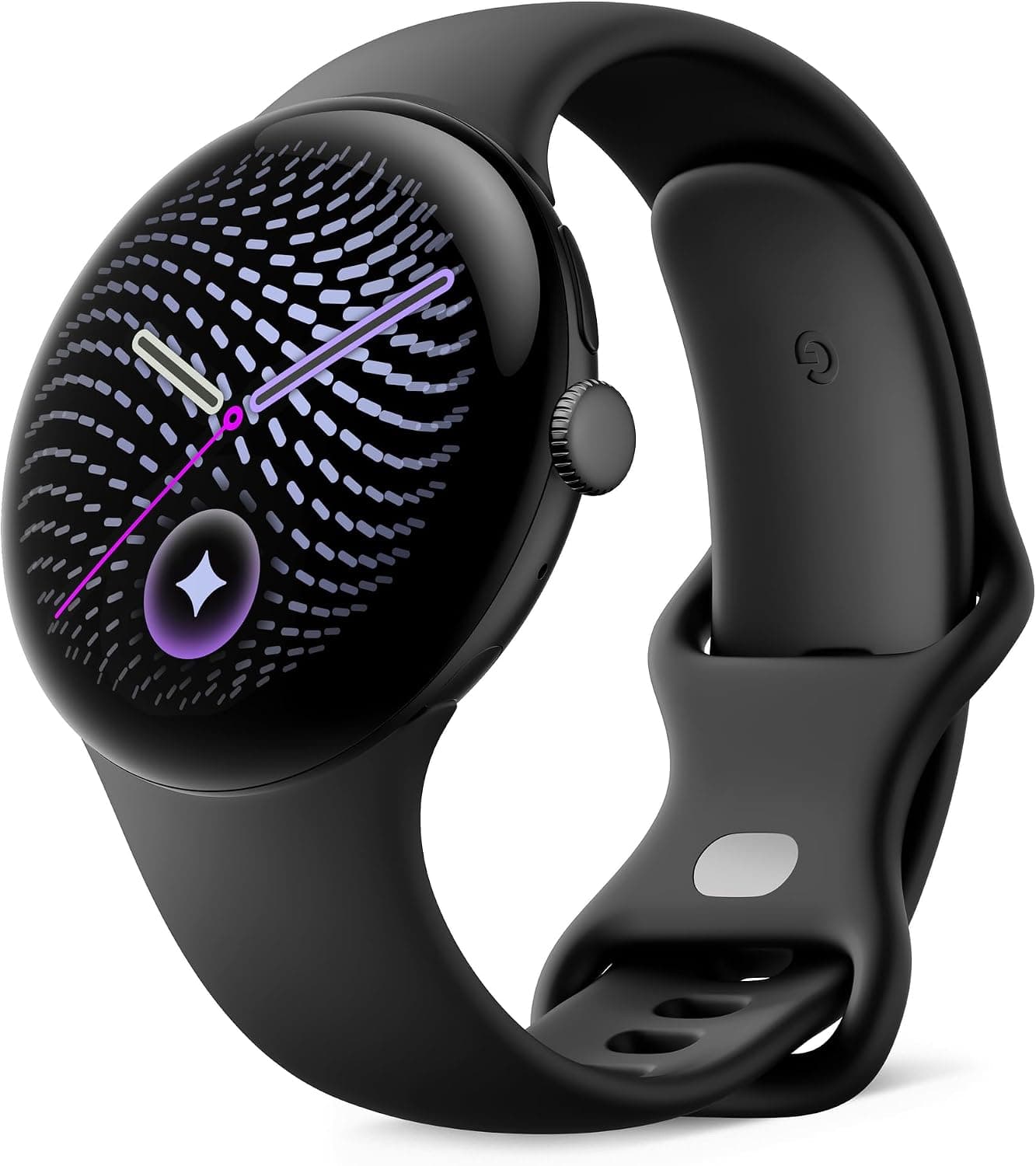
Google Pixel Watch 5 (45mm)

Robert Haba is the founder and editor-in-chief of Droid Tools. A lifelong gadget enthusiast with over a decade following the Android ecosystem, he built this publication to cut through the noise and give readers honest, real-world coverage of the tech they actually use.
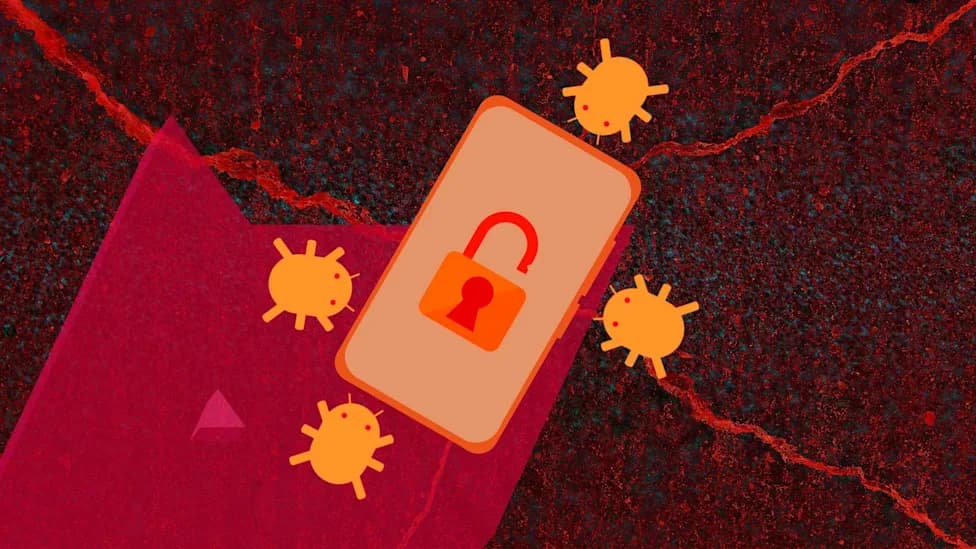
Bitdefender has discovered and analyzed a campaign dubbed Midnight Mimosa, in which malware comes preinstalled in the firmware of low-cost Android devices built on MediaTek platforms. The infection is persistent, runs as a pre-installed firmware system app, and can’t be removed through normal uninstall procedures. Anyone who switches on an affected device finds the malware […]

The Galaxy S27 Ultra display may avoid the compromises that held back its predecessor, according to a PhoneArena opinion piece. The writer cites an industry insider who said during a Q&A session on X (formerly Twitter) that Samsung is going to improve the display quality that suffered on the Galaxy S26 Ultra. What went wrong […]

WhatsApp is testing a new way to keep selected conversations off a person's linked devices, such as a laptop, tablet, or secondary phone. The company is expanding Advanced Chat Privacy with a new restriction that limits a chat to each participant's primary phone, and renaming the setting to Restricted Chat to make its purpose clearer. […]

Google built Pixel Search to save users from digging through their phone to find an app, email, photo, and more, and it now appears to be pushing that idea a step further by trying to figure out what to do with the results it surfaces. An APK teardown of Pixel Search version 1.0.983036833 by Android […]
The next story loads as you reach the end. You can also load it using the button.


Comments & Discussions
Join the conversation! We use Disqus to handle comments. Click the button below to load the comment section.