Leaked CAD schematics suggest the upcoming Samsung Galaxy S27 Ultra may replace its vertical camera rings with a horizontal camera bar. The redesigned layout could accommodate larger sensors, folded periscope optics, and expanded cooling hardware while giving the flagship a slimmer main body profile.

Samsung has relied on a signature camera appearance across its premier smartphones for several release cycles. Since the introduction of the Galaxy S22 Ultra, the manufacturer has arranged individual camera lenses vertically on a clean glass rear panel without a raised surrounding island. Newly surfaced manufacturing leaks and 3D CAD schematics suggest that the Samsung Galaxy S27 Ultra camera design may discard that established pattern. Leaked schematics point toward a comprehensive structural overhaul that reorganizes the rear optical hardware.
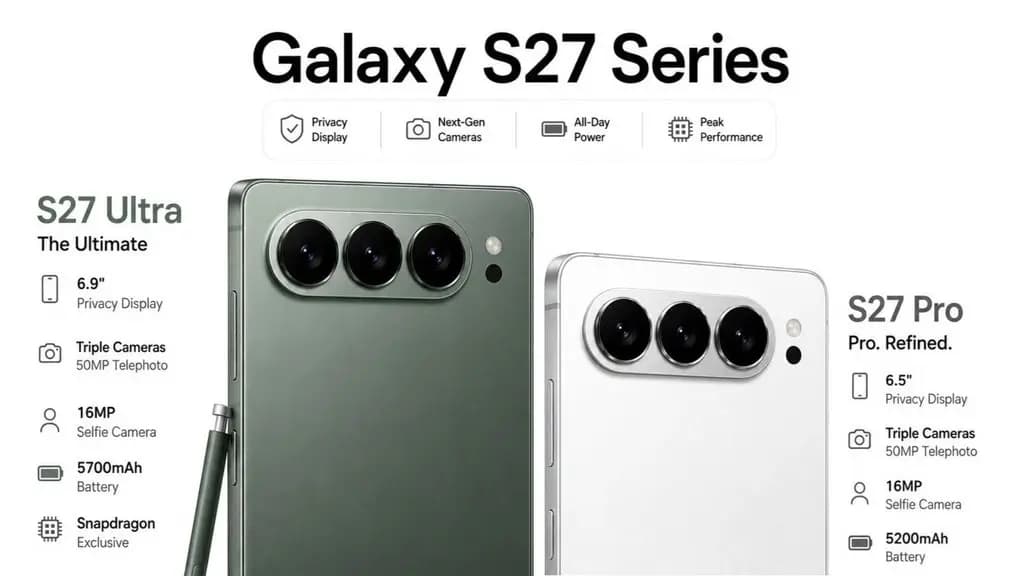
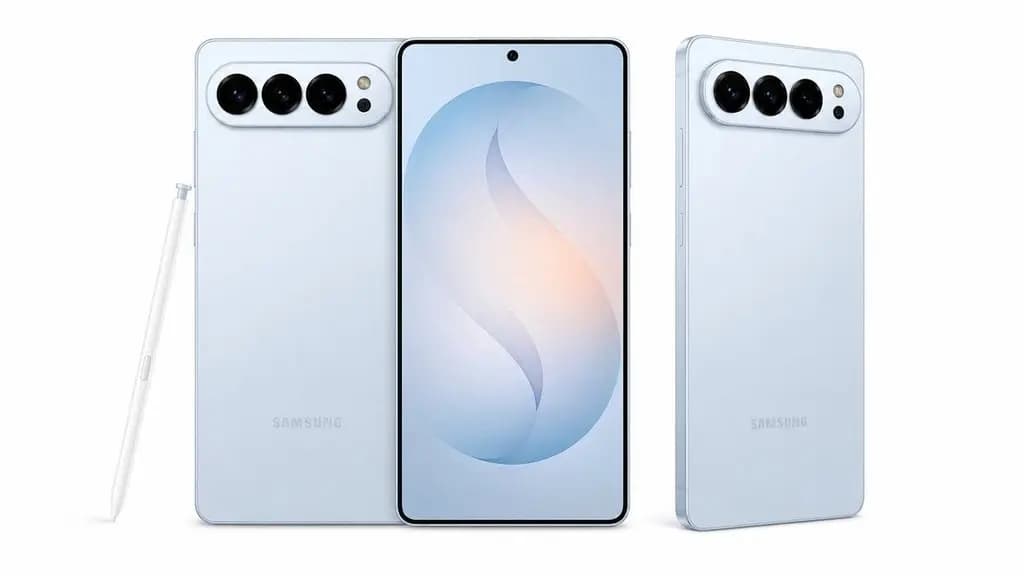
The leaked renders depict a wide, rectangular camera plateau stretching horizontally across the upper portion of the rear panel. This design choice resembles the raised camera bar seen on Google Pixel handsets, replacing the independent vertical cutouts of past generations. Early structural measurements indicate that Samsung is aiming for a slimmer main chassis. The reduced body thickness sharply outlines the projecting camera deck, creating an edge intended to give users a firmer, more balanced grip despite the presence of a high-capacity battery and dense internal components.
Information circulating alongside the CAD files points to changes in the rear sensor lineup. Samsung may streamline its camera count to free up interior space, setting aside auxiliary depth sensors that modern computation can handle in software. That space allows the engineering team to focus on a large, high-resolution primary sensor alongside advanced folded periscope telephoto optics. While major aesthetic revisions often generate debate among mobile enthusiasts, the horizontal housing provides a clear visual distinction from previous Ultra releases.
The horizontal camera deck addresses physical engineering requirements across the phone. A wider bridge layout can accommodate larger sensor footprints, which require extra physical width and depth inside the case. Folded-optics periscope mechanisms also benefit from horizontal space, as the prism and lens elements need room to align properly. Positioning these components horizontally across the upper chassis also leaves room for larger vapor chamber cooling plates to sit directly against heat-generating hardware.
Internal heat dissipation has become an urgent concern for flagship devices. Next-generation mobile silicon and demanding on-device artificial intelligence features create intense thermal loads during sustained use. Spreading the camera hardware across the top panel lets engineers draw heat away from the primary processing cores more effectively. This routing helps maintain device stability and prevents severe throttling during long gaming sessions or intense multitasking across several open apps.
The rearranged chassis architecture could prompt other internal updates. Supply chain reports suggest that Samsung may reposition its wireless charging coil and improve wired charging speeds to fit the revised internal layout. Early case cutouts and battery bump measurements continue to circulate as accessory makers prepare for possible form factor changes. These CAD models provide an early look at Samsung’s hardware direction, yet they remain manufacturing leaks that warrant caution until official details are confirmed.

Google Pixel Watch 5 (45mm)

Luiza Mosneagu is Reviews Editor at Droid Tools. A psychologist by training and tech writer by passion, she has tested over 60 Android devices since 2020 - always for a minimum of two weeks before writing a word. Her focus is camera quality, everyday usability, and cutting through marketing claims to tell you what a device is actually like to live with.

A new Google Wallet Tap to pay setting may let users verify their identity before each purchase while still requiring phones to stay unlocked.

Samsung may use Exynos for the Galaxy S27 Ultra as Qualcomm faces thermal issues ahead of a reported mid-October fix deadline.

Developers can now run iOS on Android phones using a modified XNU kernel, though key features like cellular data and cameras remain broken on early ports.

Leaked European pricing for the Xiaomi 18 Pro points to a €1,449 starting price alongside smaller battery capacities and 90W charging.
The next story loads as you reach the end. You can also load it using the button.


Comments & Discussions
Join the conversation! We use Disqus to handle comments. Click the button below to load the comment section.