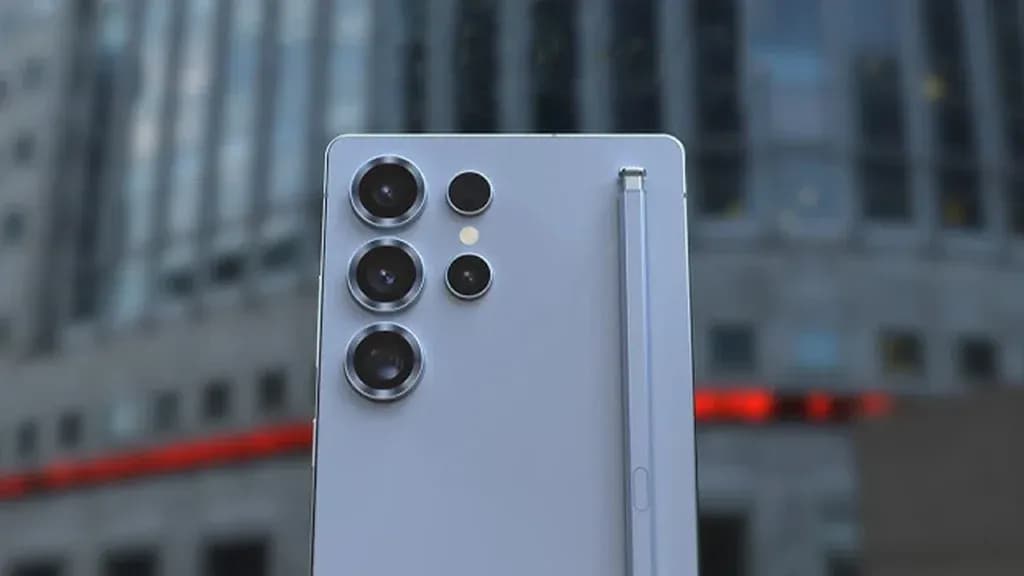
So far, this month has been somewhat turbulent for the tech sector. In addition to a standard 10% tariff on all nations, US President Donald Trump placed sweeping tariffs on the majority of significant production hubs. Samsung may have to drastically increase the cost of its Galaxy phones and other items in the US as a result of this.
With his announcement of tariff exclusions for important consumer electronics products including laptops, smartphones, memory products, and more, the president seems to have changed his mind before the weekend.
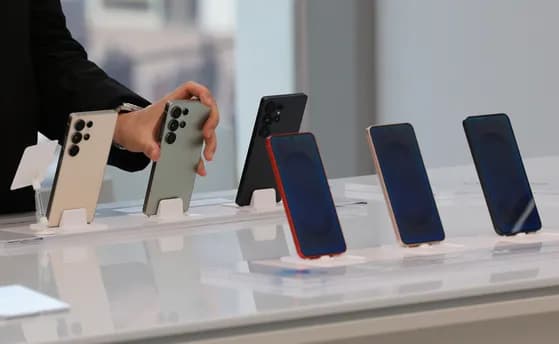
Samsung phones are manufactured in Vietnam and shipped to the US. Samsung would have to pay a 46% surcharge over the import value when it brought such phones into the US because the nation was slammed with a 46% tax.
Samsung’s alternative was to ship phones to the US via its manufacturing plants in India. Despite being high, India’s 26% tariff rate was still much lower than Vietnam’s. In any case, Samsung would have to lower its profit margins or increase consumer prices.
In talks with the administration, a number of significant tech companies have pointed out that if the tariff structure remained the same, consumer electronics prices would increase to unaffordable levels.
Given that the US is its largest market and that 90% of all iPhones are made in China, which has the highest tariff rate at 145%, Apple was most likely the driving force behind this. According to some estimations, this might have caused the iPhone 16 Pro Max’s price to go from $1,199 to $2,937.
As long as the government does not alter the tariff system again, Samsung and other companies can continue operating as usual because smartphones, computers, memory chips, and other storage products are now exempt from the 10% global baseline tariff.
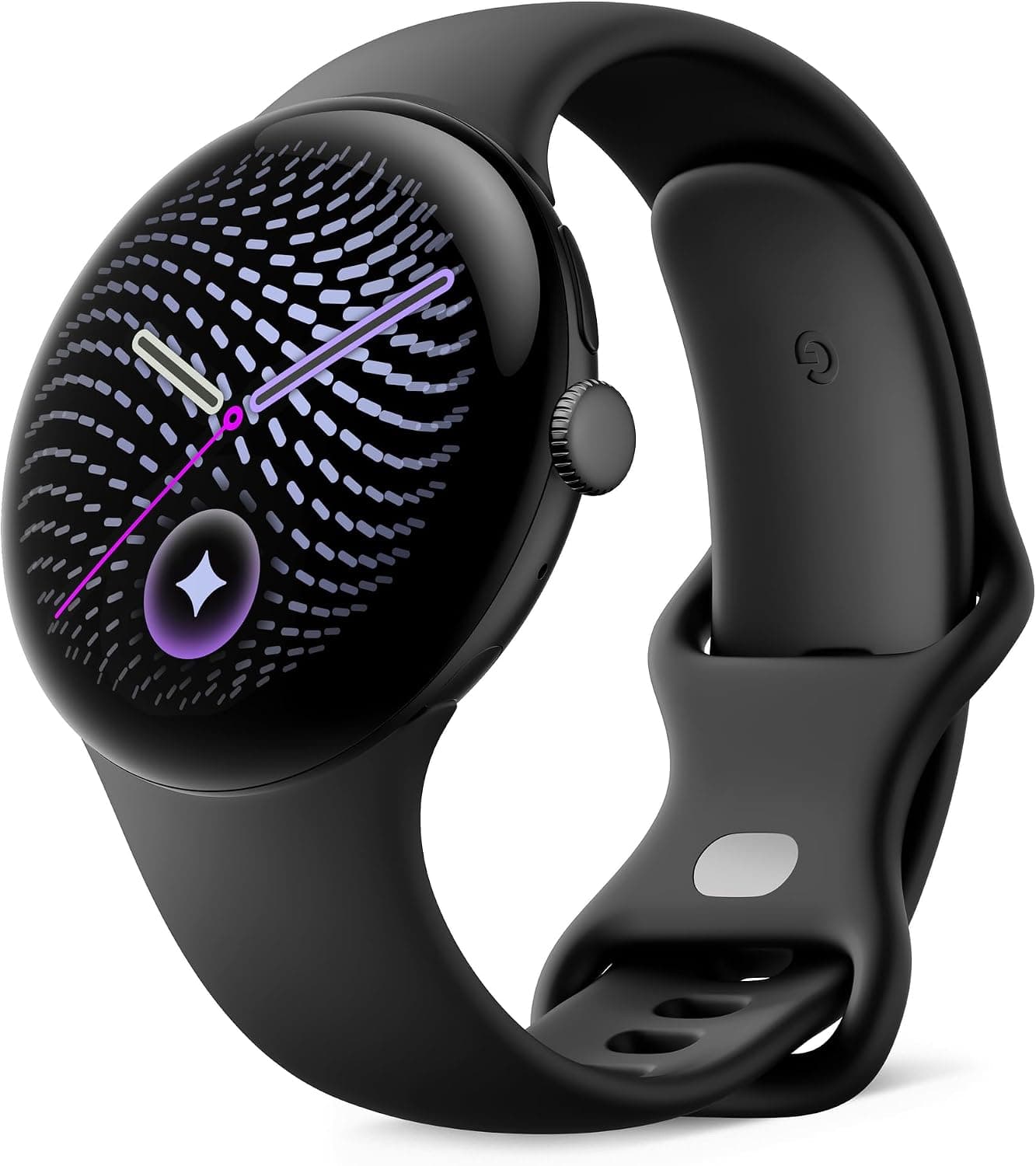
Google Pixel Watch 5 (45mm)

Robert Haba is the founder and editor-in-chief of Droid Tools. A lifelong gadget enthusiast with over a decade following the Android ecosystem, he built this publication to cut through the noise and give readers honest, real-world coverage of the tech they actually use.

Bitdefender has discovered and analyzed a campaign dubbed Midnight Mimosa, in which malware comes preinstalled in the firmware of low-cost Android devices built on MediaTek platforms. The infection is persistent, runs as a pre-installed firmware system app, and can’t be removed through normal uninstall procedures. Anyone who switches on an affected device finds the malware […]
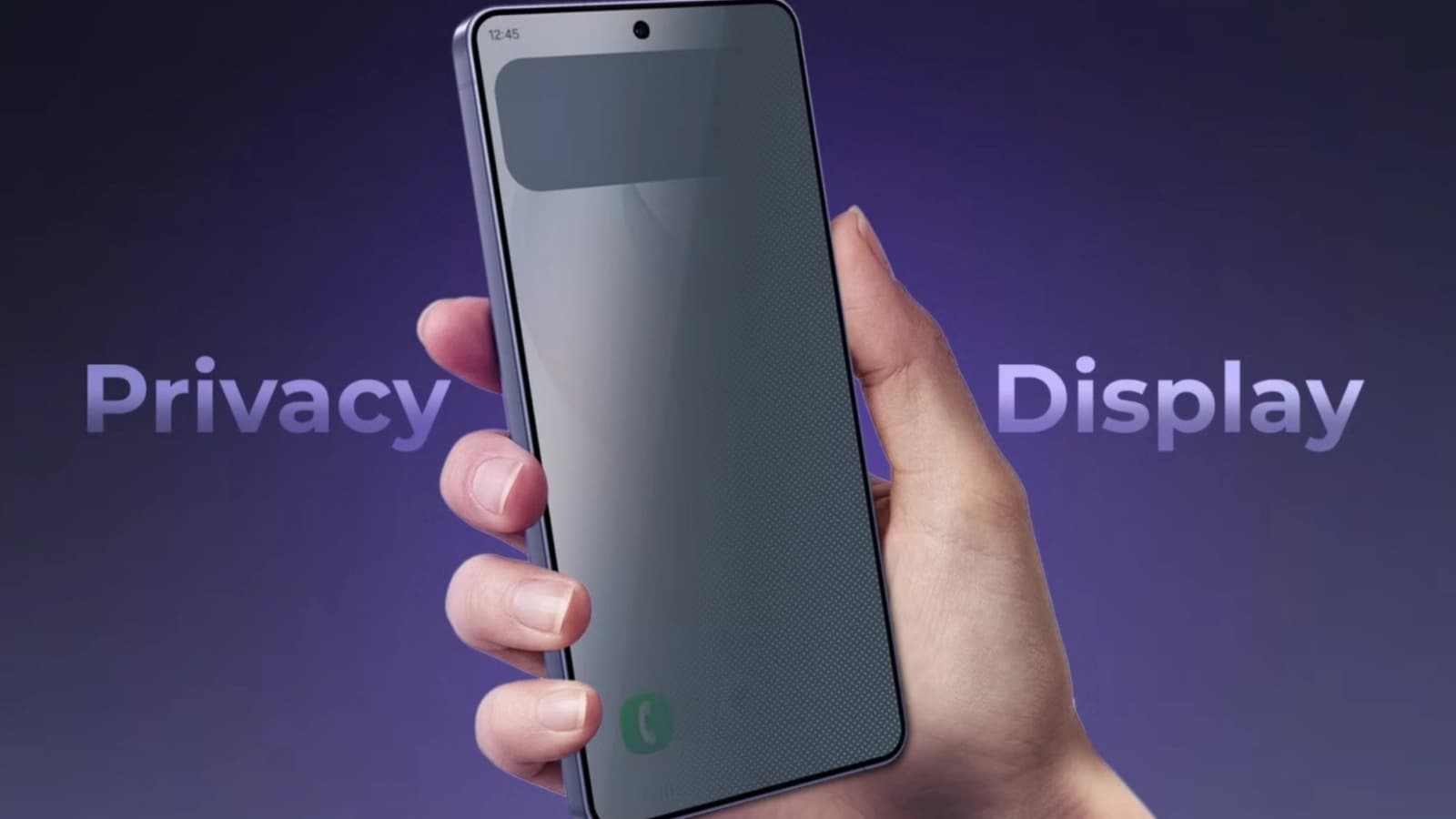
The Galaxy S27 Ultra display may avoid the compromises that held back its predecessor, according to a PhoneArena opinion piece. The writer cites an industry insider who said during a Q&A session on X (formerly Twitter) that Samsung is going to improve the display quality that suffered on the Galaxy S26 Ultra. What went wrong […]

WhatsApp is testing a new way to keep selected conversations off a person's linked devices, such as a laptop, tablet, or secondary phone. The company is expanding Advanced Chat Privacy with a new restriction that limits a chat to each participant's primary phone, and renaming the setting to Restricted Chat to make its purpose clearer. […]

Google built Pixel Search to save users from digging through their phone to find an app, email, photo, and more, and it now appears to be pushing that idea a step further by trying to figure out what to do with the results it surfaces. An APK teardown of Pixel Search version 1.0.983036833 by Android […]
The next story loads as you reach the end. You can also load it using the button.


Comments & Discussions
Join the conversation! We use Disqus to handle comments. Click the button below to load the comment section.