Xiaomi launched the stable HyperOS 4 rollout on October 15 in China, prioritizing flagship Xiaomi 17, Redmi K100, Redmi K90, and Pad 8 devices. Global releases remain in beta testing, while subsequent domestic rollout phases through November and December will target older Xiaomi, Redmi, and POCO models.

Xiaomi began distributing the HyperOS 4 stable update on October 15 in China, following an aggressive deployment schedule focused on high-end hardware. Owners of recent flagship phones and tablets are the first in line for the refreshed operating system.

The initial rollout focuses entirely on top-tier devices to maintain stability and performance before broader distribution. Users with China stable ROM builds are receiving the update over the air in batches. Meanwhile, beta testing for global builds remains underway, with international stable releases expected shortly.
The first installation wave covers four hardware families:

The operating system pairs architectural modifications with a redesigned interface. Xiaomi integrated its revised HyperCore engine to distribute processor workloads more precisely, which cuts unnecessary instruction cycles and reduces the total system memory footprint. Alongside core performance adjustments, the visual presentation adopts what Xiaomi calls Soft Light Glass aesthetics. This interface refresh incorporates translucent panels in the control center, system applications with updated layouts, and dynamic lighting effects that adjust based on the current wallpaper.
Artificial intelligence tools and desktop controls also receive functional revisions. The Super XiaoAI 2.0 suite adds smarter notification summaries, cross-device machine learning tools, and continuous ecosystem handoff across phones, tablets, and computers. For user personalization, the updated lock screen and desktop interface include flexible clock layouts, cleaner notification banners, and customizable widget stacks.
Following the initial flagship release, Xiaomi plans to expand rollout eligibility to additional devices through November and December. Those upcoming distribution phases will bring the update to the Xiaomi 15 series, various Redmi Note configurations, and several popular POCO models as regional validation progresses.
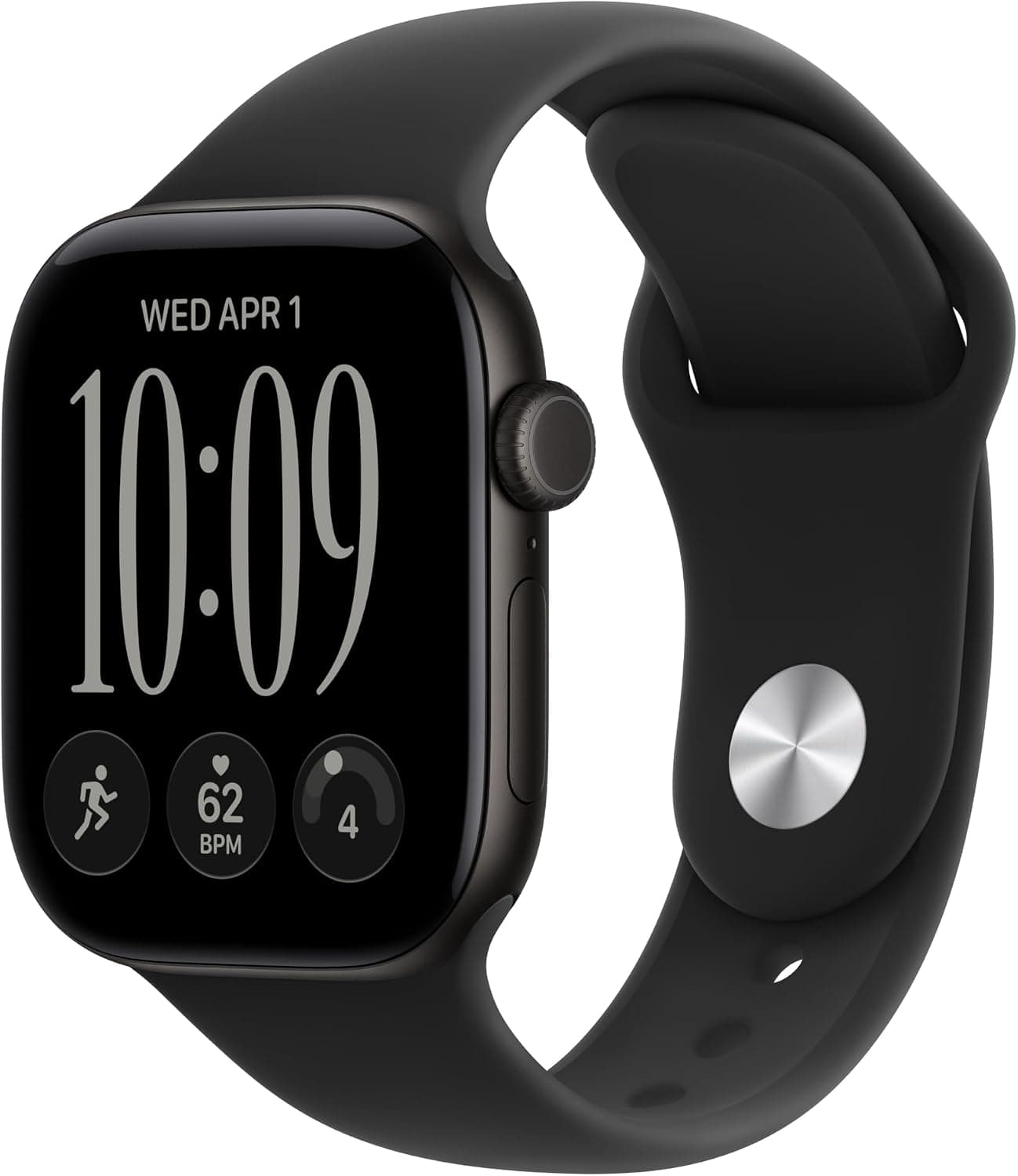
Apple Watch Series 12

Luiza Mosneagu is Reviews Editor at Droid Tools. A psychologist by training and tech writer by passion, she has tested over 60 Android devices since 2020 - always for a minimum of two weeks before writing a word. Her focus is camera quality, everyday usability, and cutting through marketing claims to tell you what a device is actually like to live with.
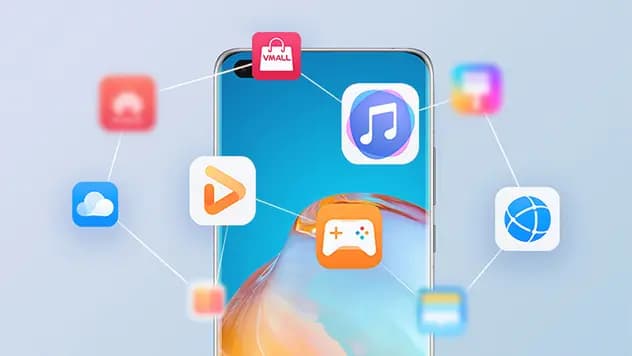
Honor's MagicOS 11 update brings Huawei OneHop NFC transfers to its devices, enabling direct sharing with Oppo, Vivo, and Xiaomi phones.
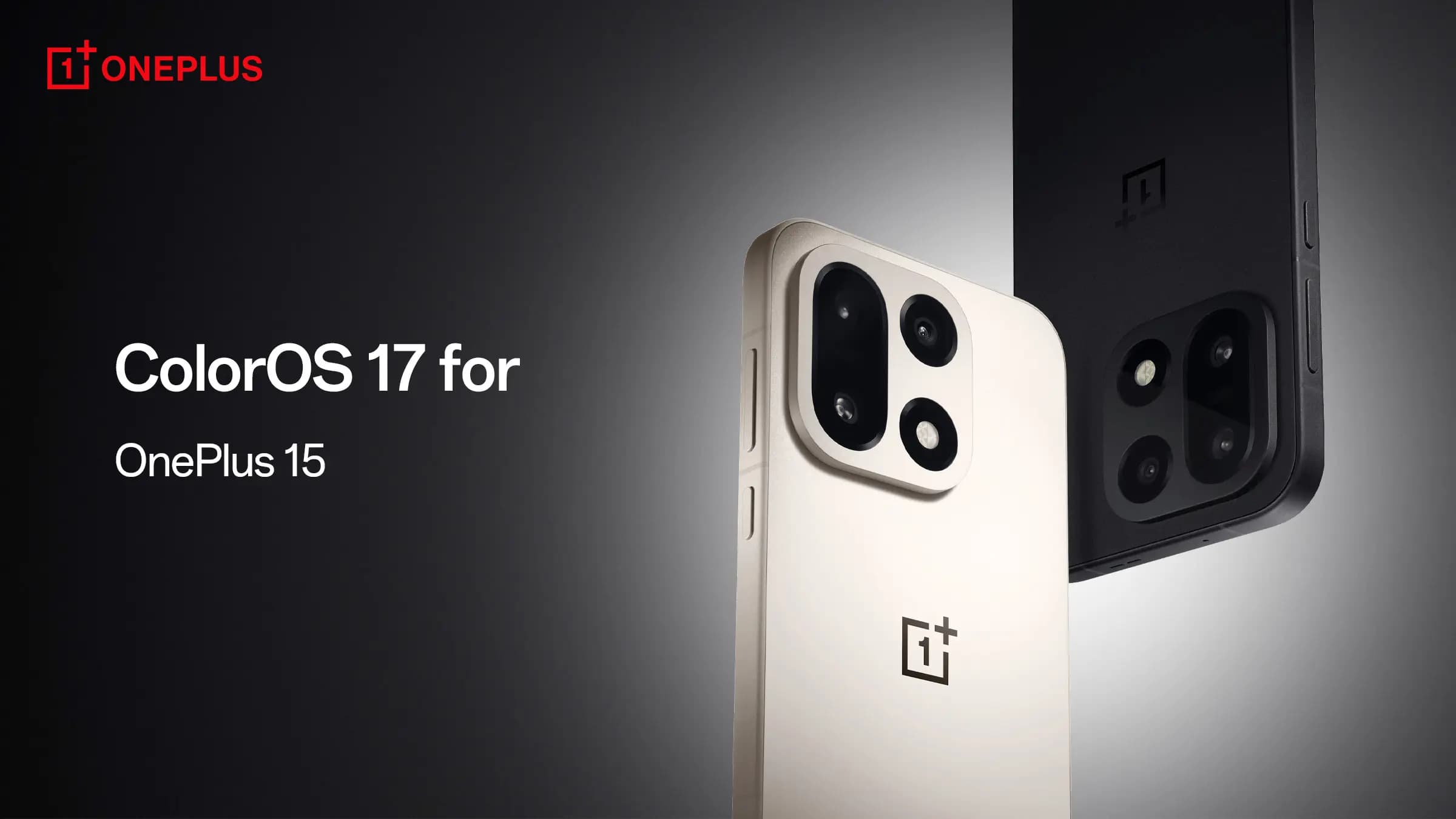
ColorOS 17 on the OnePlus 15 shifts from OxygenOS to layered glass menus, bouncy animations, and an agentic AI Mind Pilot file assistant.

Samsung has started rolling out One UI 9 to the Galaxy XCover 7 Pro in the US, starting with carrier-locked units and adding Quick Settings customizations.
A hands-on test addresses five GrapheneOS myths on a Google Pixel, covering app support, banking tools, RCS messaging, and rapid Android 17 updates.
The next story loads as you reach the end. You can also load it using the button.


Comments & Discussions
Join the conversation! We use Disqus to handle comments. Click the button below to load the comment section.