An unreleased Google Wallet Tap to pay setting may allow users to require identity verification before each transaction. An update to the Android app shows the feature will still require an unlocked phone, though its interaction with the existing three-minute verification window remains unconfirmed.
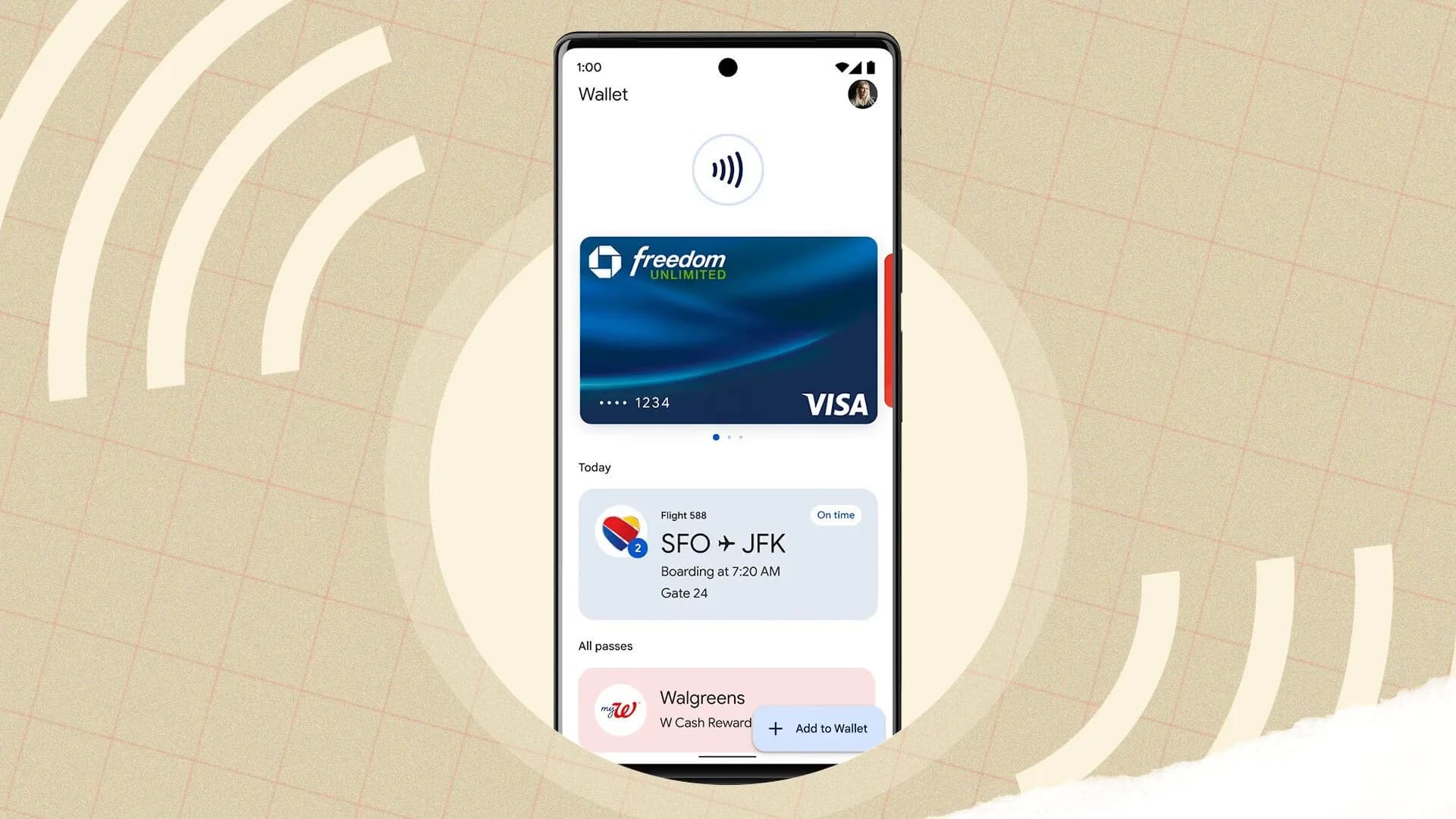
An upcoming Google Wallet Tap to pay setting could give Android users greater control over transaction security during in-person purchases. Discovered during an examination of Google Wallet application version 26.43.1009867093, the new toggle sits inside the verification settings menu. Earlier builds caused the menu option to crash upon opening. In the updated release, the interface functions properly after manual activation, displaying explanatory text strings that outline how authentication will operate when the feature officially arrives.
Initial discoveries of the setting left questions about whether Google intended to alter how often shoppers must verify their identities at retail checkout counters. The latest text strings resolve some of that uncertainty. They clarify that the option does not grant a bypass for unlocking the handset. Regular purchases will continue to require an unlocked device, distinguishing standard transactions from supported transit payment systems that allow contactless taps while the phone stays locked.

Google Wallet currently uses an Enhanced verification system to govern contactless transactions. According to official support documentation from Google, users may not need to verify their identity repeatedly if they authenticated their device within the previous few minutes. The system enforces a three-minute grace window following an initial unlock. During that period, consumers can complete multiple payments without submitting another biometric scan or passcode. Once that three-minute window expires, however, the application requires the user to authenticate again before authorizing any subsequent transaction.
The new Tap to pay setting appears positioned to grant users more direct control over this verification behavior. A screenshot of the interface in version 26.43.1009867093 reveals Google’s explicit explanation of the rule: “All transactions require that your device be unlocked but you can choose to verify again right before you tap to pay.” This official phrasing dispels earlier assumptions that the option might introduce fully unlock-free payments for ordinary shopping. Users will still be obligated to unlock their phones prior to paying at a contactless terminal.

Although the newly discovered wording confirms the unlock mandate, it remains unclear how the toggle will interact with the existing three-minute verification window. The text indicates that Google could allow shoppers to choose whether they wish to re-authenticate immediately before tapping their phone to pay. The testing report identifies two potential operational scenarios for how Google might implement this setting across Android devices.
In the first scenario, leaving the additional verification option turned off might allow users to complete follow-up payments without authenticating again, even after the standard three-minute window expires. In the second scenario, turning the setting on could require users to verify their identity before every contactless purchase. Under that arrangement, the prompt would appear regardless of whether the phone was unlocked within the preceding three minutes, effectively overriding the current grace period in favor of continuous confirmation.
At this stage, it remains unconfirmed which behavior Google will ultimately select for the public release. The findings in Google Wallet version 26.43.1009867093 make clear that the toggle does not extend transit-style bypasses to retail checkouts. Still, users will have to wait for Google to begin rolling out the feature broadly to see precisely how it alters the daily contactless payment experience.

Apple AirPods Pro 3

Luiza Mosneagu is Reviews Editor at Droid Tools. A psychologist by training and tech writer by passion, she has tested over 60 Android devices since 2020 - always for a minimum of two weeks before writing a word. Her focus is camera quality, everyday usability, and cutting through marketing claims to tell you what a device is actually like to live with.

Early CAD renders suggest the Samsung Galaxy S27 Ultra camera design may switch to a horizontal bar housing larger sensors and improved cooling hardware.

Samsung may use Exynos for the Galaxy S27 Ultra as Qualcomm faces thermal issues ahead of a reported mid-October fix deadline.

Developers can now run iOS on Android phones using a modified XNU kernel, though key features like cellular data and cameras remain broken on early ports.

Leaked European pricing for the Xiaomi 18 Pro points to a €1,449 starting price alongside smaller battery capacities and 90W charging.
The next story loads as you reach the end. You can also load it using the button.


Comments & Discussions
Join the conversation! We use Disqus to handle comments. Click the button below to load the comment section.