
Google’s Pixel 9a will hit shop shelves in the United States this week. Google’s new midranger appears to be yet another reasonably priced flagship alternative in a long series of such options. To achieve a lower price point, it makes some changes to the Pixel 9 formula, such as less RAM and inferior cameras. However, on paper, the $500 Pixel 9a has several significant advantages over the $800 Pixel 9. Here’s five.
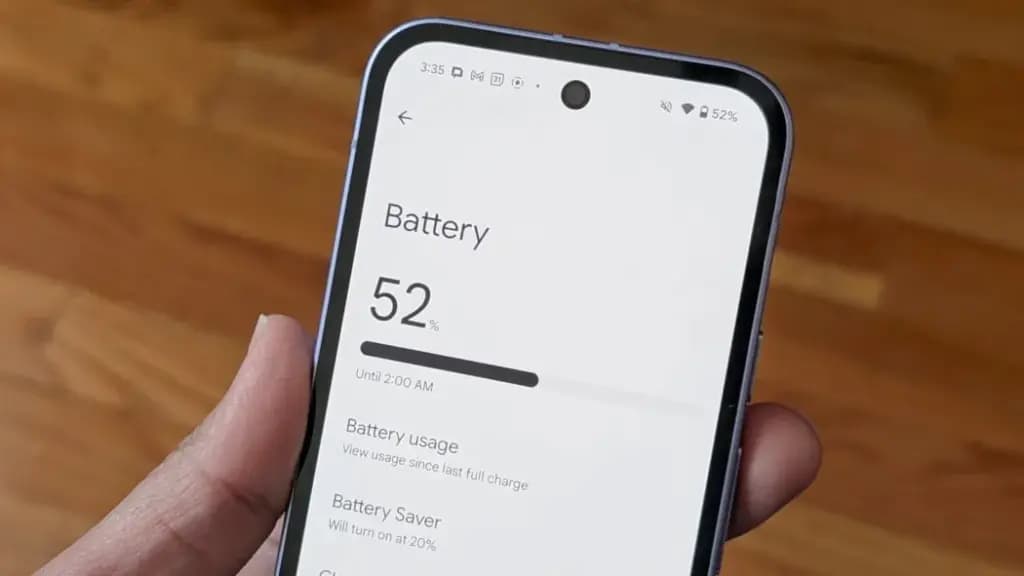
Speaking of bigger batteries, the Pixel 9a has the largest battery ever utilized in a Pixel phone, with a rated capacity of 5,100 mAh. That just slightly edges out the Pixel 9 Pro XL’s 5,060 mAh battery.
Given that the Pixel 9a is a relatively small phone with a 6.3-inch display, the large battery will deliver long battery life. The Google Store listing for the 9a boasts “30+ hour battery life,” whereas the Pixel 9’s battery life is “24+ hours.” If Google’s estimations are correct, the 9a’s battery will last 25% longer.
Let us start with the obvious: the $500 Pixel 9a costs significantly less than the $800 Pixel 9. Google has managed to keep its A-series phones at $500 for three years in a row as its flagships have become more costly, making the 9a an even better value than previous generations.

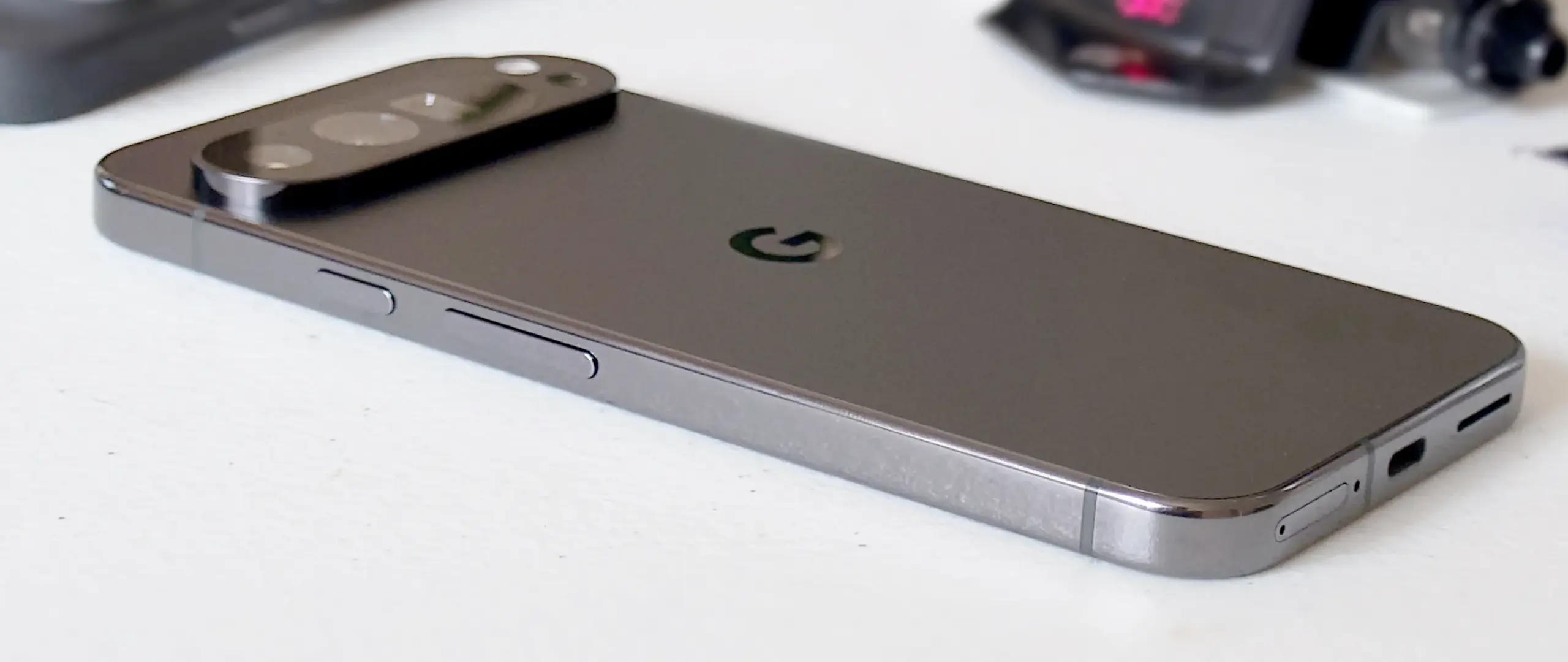
The basic Pixel 9 and Pixel 9 Pro feature normal flagship phone build, with scratch-resistant glass back panels and stainless steel side rails. It creates a high-end look and feel, but the usage of glass has a significant drawback: it is prone to cracking if your phone is dropped.

The Pixel 9a, on the other hand, has a polycarbonate back panel with aluminum side rails. That makes the phone more resistant to shattering than its more expensive counterparts. Plastic and aluminum are also less dense than glass and stainless steel, so the Pixel 9a is slightly lighter than the Pixel 9 — though only by a fraction of an ounce.
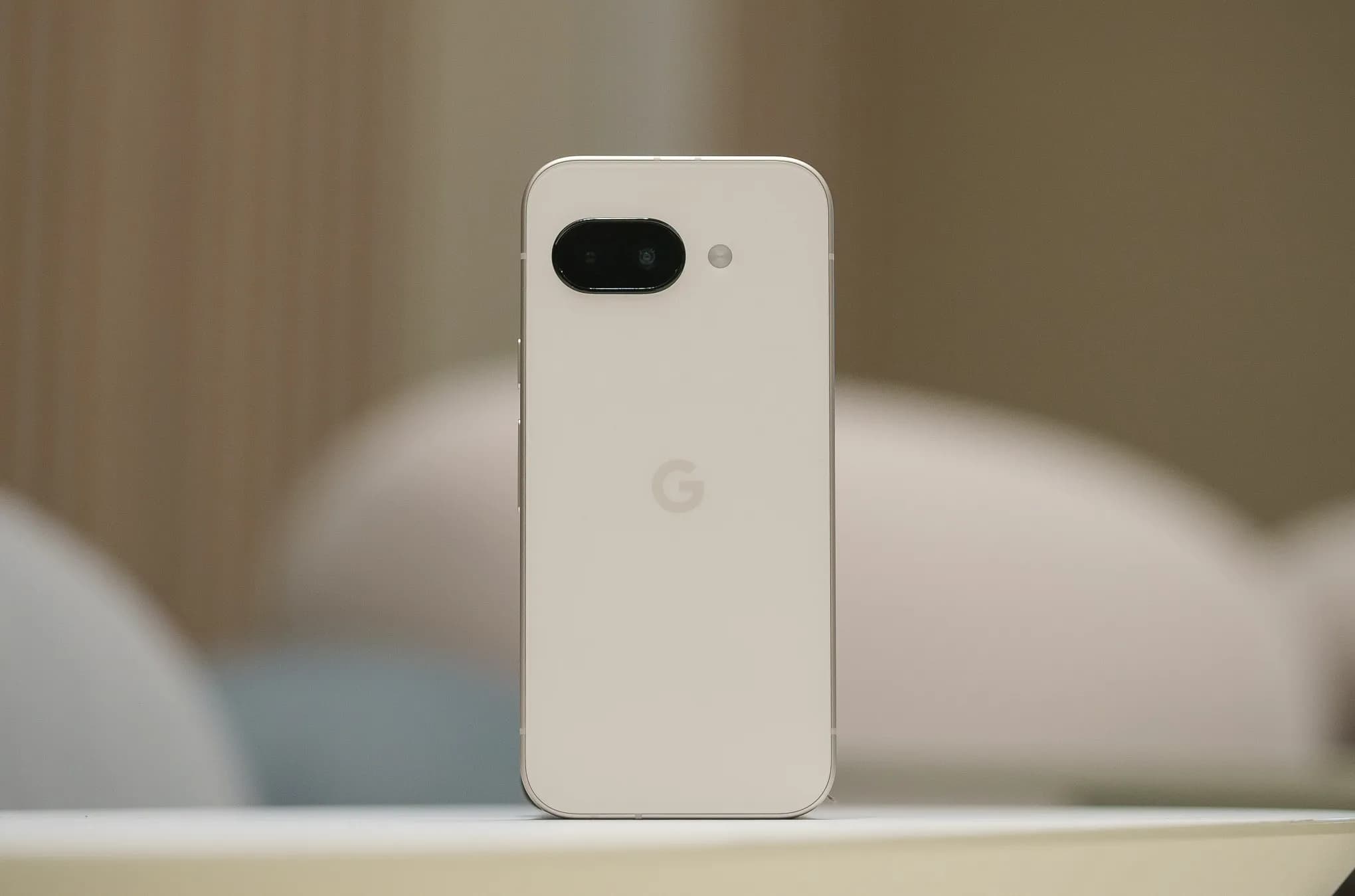
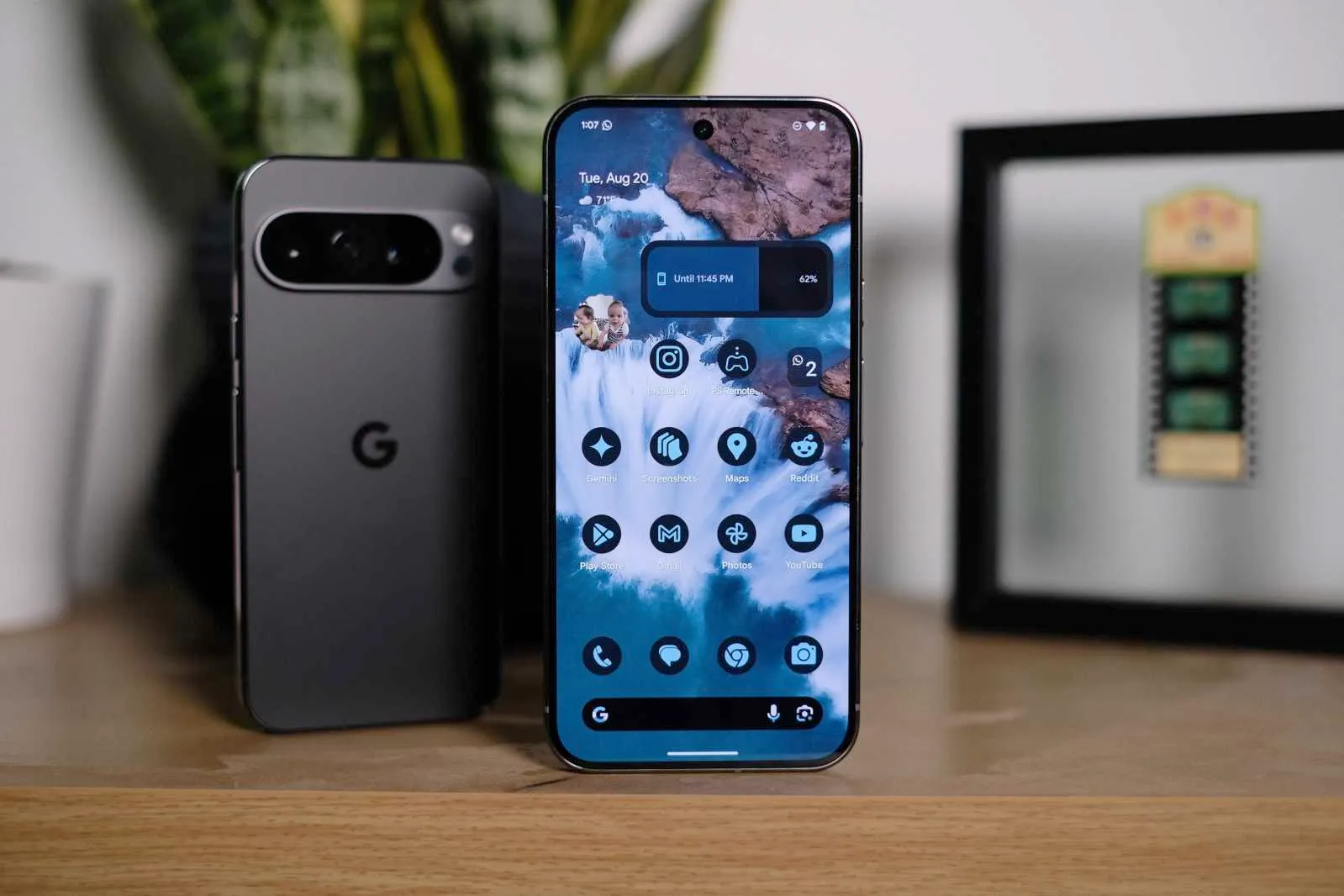
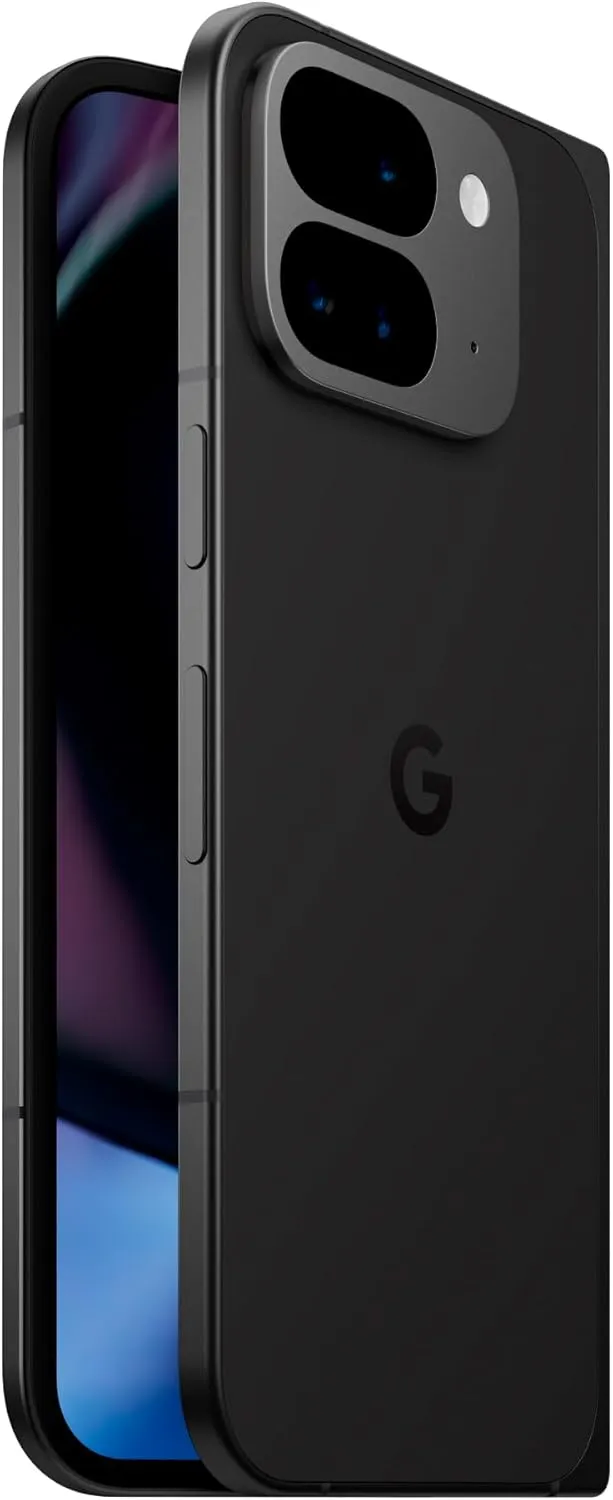
The Pixel 9 and Pixel 9 Pro feature some of the best cameras available in a smartphone today, but this image brilliance is accompanied by positively massive camera bumps. Based on Pixel 10 leaks, the pill-shaped protrusions appear to have become part of the Pixel’s brand identity. However, there is no getting around the bulk: the Pixel 9 and 9 Pro cameras protrude 3.5 mm from the back panel.

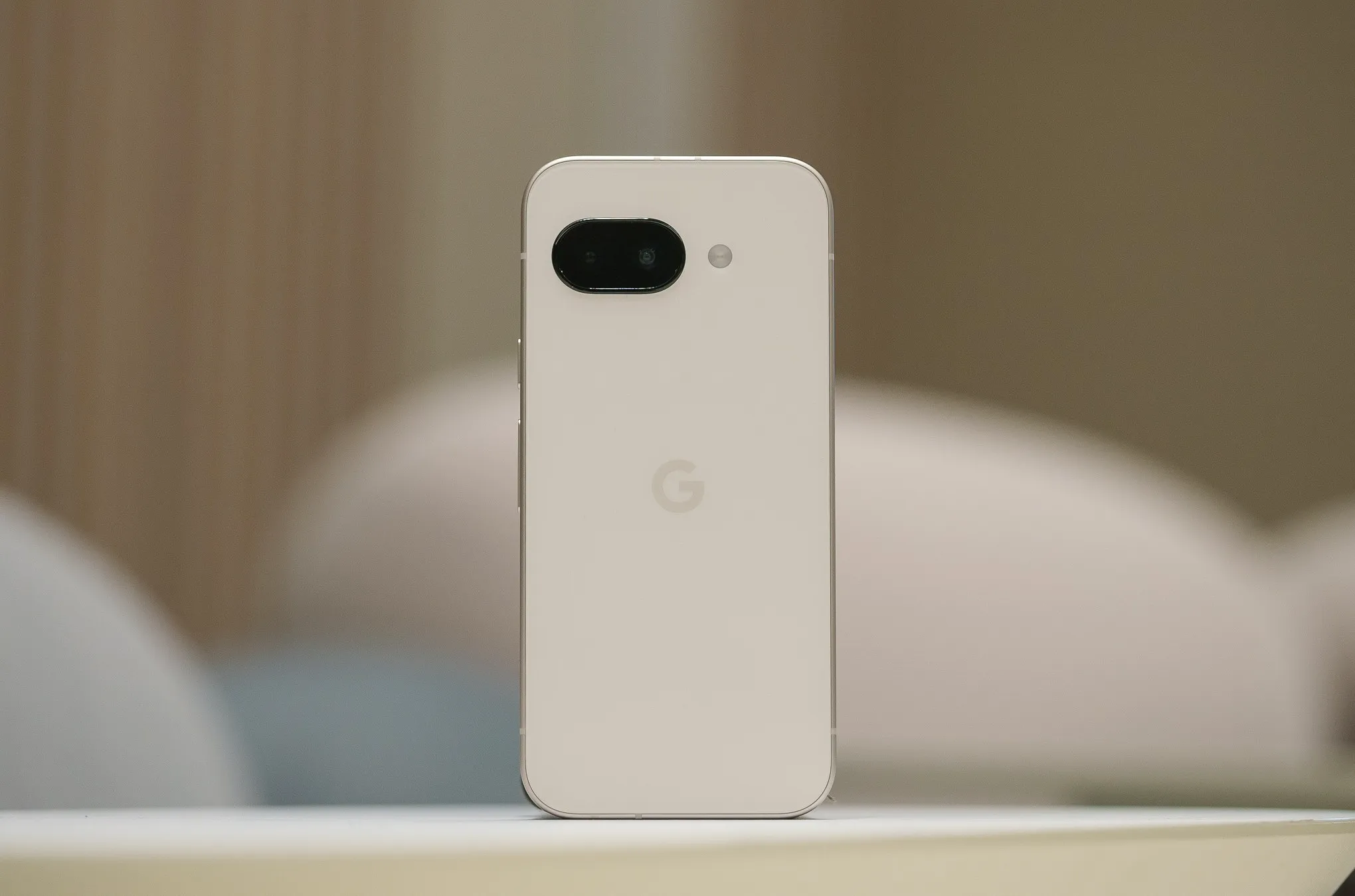
The Pixel 9a, on the other hand, has almost no camera hump at all, with a pill-shaped glass cutout for the primary and ultrawide cameras that is nearly flat with the rest of the rear panel. Again, this will make little difference to those that use cases. However, given that a strong contingent of smartphone customers has been calling for thicker phones with larger batteries and fewer camera bumps for some time, the 9a is a clear winner.
There is no objectively proper finish for a smartphone, and most smartphone users will put a case on whatever they buy regardless. But personally, I prefer the all-matte appearance. Glossy surfaces are more likely to gather up fingerprints than matte surfaces, and nicks and scratches are more visible on shiny surfaces.
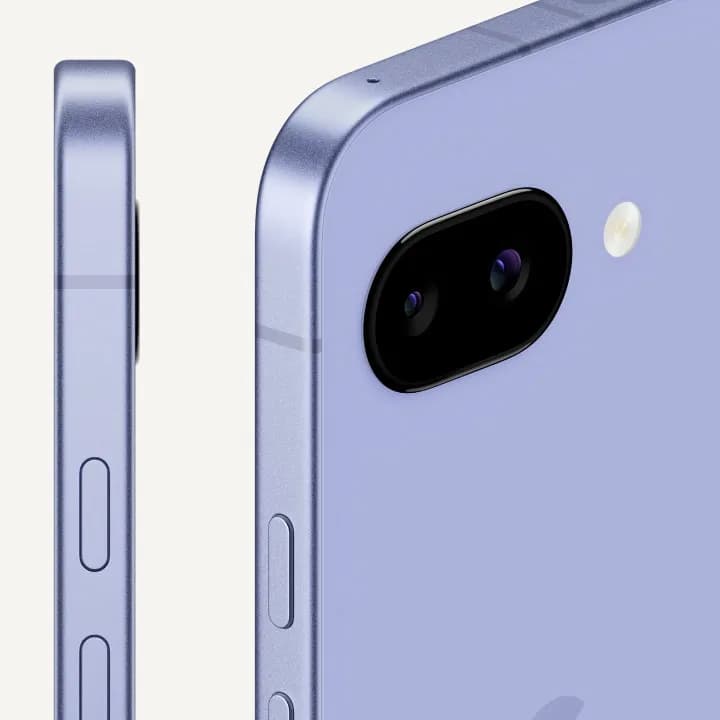
The standard Pixel 9 has a glossy glass back and matte side rails; the Pixel 9 Pro reverses this, with matte glass on the back and matte steel side rails. The Pixel 9a has a matte finish all around. Glossy metal accents may seem elegant, but I hope future Pixel generations follow Google’s A-series phone’s lead and adopt the same all-matte appearance.
However, based on our early hands-on observations, Google’s experience with midrange products, and the information Google has released about the 9a thus far, it appears to be a solid device—and in some respects, even better than the more expensive Pixel 9.

Robert Haba is the founder and editor-in-chief of Droid Tools. A lifelong gadget enthusiast with over a decade following the Android ecosystem, he built this publication to cut through the noise and give readers honest, real-world coverage of the tech they actually use.

Google's Pixel 11 is a very good phone, but it is not a very new one. That is the takeaway from WIRED reviewer Simon Hill, who scored the $899 handset 8/10 and called it a slick, refined step forward from the Pixel 10, though only a small one. The short version If your phone is […]

The Honor Win2 series, made up of the Win2, Win RT2, and Win Turbo 2, is scheduled to launch in China next week. Honor revealed the designs and color options of all three phones yesterday, and it has now confirmed several of their key specifications. Honor has confirmed that the Win2 will run on the […]

Samsung is reportedly bringing three upgrades to the Galaxy S27 Ultra display next year: DC dimming, the M16 panel, and fixes for the Privacy Display introduced on the Galaxy S26 Ultra. The phone already sounds appealing on paper, and a redesign will probably drive more sales, but these screen changes are tangible improvements users should […]
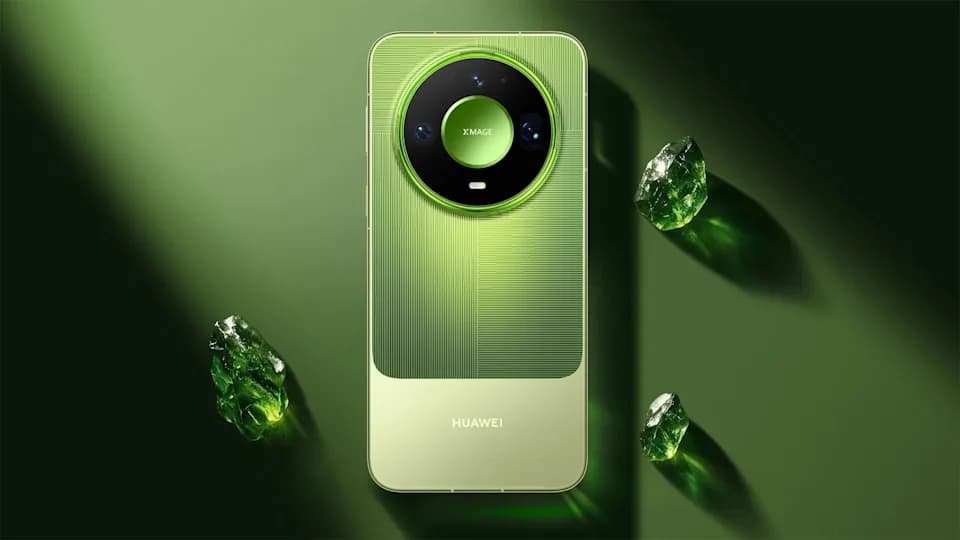
Huawei has officially unveiled the Huawei Mate 90 Pro in China, a new flagship that starts at ¥6,999 for the base 12GB + 256GB model. The phone pairs a Tandem OLED display with 12,000 nits of local peak brightness, the new Kirin 9035 processor, a 50MP variable-aperture main camera, eSIM satellite communications, and a 6600mAh […]
The next story loads as you reach the end. You can also load it using the button.



Comments & Discussions
Join the conversation! We use Disqus to handle comments. Click the button below to load the comment section.